
Article
Mar 15, 2026
Primary immunodeficiency: what it is, symptoms, and treatments
Primary immunodeficiency is an immune failure that makes the body vulnerable to various conditions. See what it is, the signs, and the treatments here!

Primary immunodeficiency is a rare condition that deserves increasing attention. It occurs when the immune system – the body's natural defense against viruses, bacteria, and fungi – presents failures from birth.
These failures make the body more vulnerable to infections, inflammations, and autoimmune diseases. Although symptoms may manifest from childhood, many cases are only identified in adulthood, delaying the diagnosis and appropriate treatment.
With advances in science, understanding primary immunodeficiency has become necessary not just for doctors, but also for patients living with recurrent infections, excessive fatigue, and atypical immune responses.
Today, medicine offers assertive treatment alternatives, including through innovative clinical research that opens new therapeutic opportunities and specialized medical care. Let's understand more about the subject? Happy reading.
What is Primary Immunodeficiency?
Primary immunodeficiency (PID) is a group of more than 450 rare genetic diseases that affect the functioning of the immune system. In this condition, the body is born with a defect in one or more components of the immune response, reducing its capacity to fight infections and inflammations.
This dysfunction can manifest in different ways, depending on which part of the immune system is compromised. In some cases, the body does not produce enough antibodies; in others, the cells responsible for attacking microorganisms do not work properly.
Therefore, there are people with primary immunodeficiency who develop recurrent pneumonias, severe sinusitis, or skin infections that do not improve with conventional treatment.
These diseases are also called inborn errors of immunity or congenital immunodeficiency because their causes are linked to inherited genetic mutations.
They should not be confused with secondary immunodeficiencies - which arise from drug use, viral infections, or acquired diseases.
Statistics and Prevalence of Primary Immunodeficiency
According to studies, there are about 6 million people with some type of primary immunodeficiency worldwide, although less than 1 million have a confirmed diagnosis. Prevalence may vary depending on the type of genetic alteration, but, on average, there is one case for every 1,200 births.
In Brazil, the diagnosis is still underestimated. Many patients are treated for years with antibiotics without the real cause – the immune failure – being identified. Early detection is crucial to avoid complications, reduce hospitalizations, and improve quality of life.

Difference between Primary and Secondary Immunodeficiency
Primary immunodeficiency is a congenital defect, present from birth; whereas secondary immunodeficiency arises over a lifetime, as a consequence of external factors, such as prolonged use of corticosteroids, chemotherapy, malnutrition, or viral infections – including HIV.
While the primary form is linked to genetic mutations that permanently affect the immune system, the secondary form may be reversible if the cause is treated. Thus, distinguishing between the two types is necessary to determine the appropriate treatment.
In practice, both conditions weaken the body's defenses, but primary immunodeficiency requires continuous monitoring and often specific therapies to replenish or correct the absent defense mechanisms.
Types of Primary Immunodeficiency

Primary immunodeficiencies are classified according to the type of failure in the immune system. Although there are hundreds of variants, some categories are more common and better understood by medicine. Among them, the most notable are:
Antibody deficiencies;
Combined immunodeficiencies (T and B cells);
Phagocyte deficiencies;
Complement deficiencies;
Other rare immunodeficiencies.
These variations determine the type of most frequent infection, the severity of symptoms, and possible therapeutic options. Let's learn more about them? Continue reading!
Antibody Deficiency
The most common primary immunodeficiency is one that affects the production of antibodies, which are responsible for neutralizing infectious agents. In these cases, the body does not produce immunoglobulins in sufficient quantity or quality, which compromises the defense against viruses and bacteria.
The most studied subtype is the deficiency of subclasses of immunoglobulin G (IgG). This form can cause recurrent respiratory infections, such as bronchitis, sinusitis, and pneumonia, and is directly related to common variable immunodeficiency (CVID).
Treatment includes replacement therapy with immunoglobulin, which helps to partially restore immunity and reduce infections. The clinical research by Synvia seeks participants with this type of immunodeficiency to apply and refine new therapeutic approaches.
➔ If you have a history of recurrent respiratory infections, you may be facing an antibody deficiency. Click here to apply for free monitoring and access to innovative therapies.
T Cell/Combined Immunodeficiencies
This group affects T and B cells, responsible for the adaptive immune response. These are more severe and rare conditions, often identified in childhood. Treatment involves immunosuppressive therapies and, in specific cases, bone marrow transplantation.
Phagocyte Deficiencies
Phagocytes are cells that ingest and destroy all invading microorganisms. When they fail, the patient presents deep infections and abscess formation. Early diagnosis and the use of prophylactic antibiotics are fundamental for effective treatment.
Complement Deficiencies
The complement system works in conjunction with antibodies to eliminate microorganisms. Its deficiency is associated with very severe and recurrent infections, especially from encapsulated bacteria.
Other Primary Immunodeficiencies
Other primary immunodeficiencies encompass a set of rare genetic alterations that affect thymus development, cytokine production, and other regulatory mechanisms of the immune system.
These are less prevalent conditions, but they can also cause severe and recurrent infections, chronic inflammation, and autoimmune diseases. Despite presenting diverse manifestations, these cases share clinical signs that should raise the alert for medical investigation.
Identifying these signs early allows for a more accurate diagnosis and the introduction of appropriate therapies, reducing complications and improving the quality of life of the affected person.
Warning Signs
The warning signs of primary immunodeficiency help to identify early those who need medical investigation. When the immune system is weak, the body takes longer to recover, and infections become increasingly severe. Know the main signs:
Recurrent Infections: frequent episodes of pneumonia, sinusitis, or otitis, even after adequate treatment.
Persistent Infections: diseases that do not improve or return shortly after the use of antibiotics.
Uncommon or Severe Infections: caused by rare microorganisms or that require hospitalization.
Growth Delay or Weight Gain: a consequence of chronic infections and altered metabolism.
Family History of Immunodeficiency: presence of similar cases in close relatives.
Associated Autoimmune Diseases: such as hemolytic anemia, thrombocytopenia, or vitiligo.
Recurrent Gastrointestinal Problems: persistent diarrhea, malabsorption, or intestinal infections.
Hematological Changes: low platelet counts or anemia of unknown cause.
Internal Organ Inflammation: such as the liver, lungs, or kidneys.
Skin Infections and Deep Abscesses: especially in recurrent areas and poorly healing locations.
These signs should be observed attentively. In cases of suspected primary immunodeficiency, it is essential to seek an immunologist for a detailed investigation. Multidisciplinary action and early diagnosis are essential for the success of treatment and long-term well-being.

Symptoms of Congenital/Primary Immunodeficiency
The symptoms of primary immunodeficiency vary according to the type and degree of immune deficiency, but generally reflect a persistent fragility of the immune system in the face of common infections.
This vulnerability can manifest from childhood to adulthood, with varying intensity and often silently in the early stages.
Recognizing clinical signs is necessary to seek early diagnosis and avoid serious complications. Among the most reported symptoms are:
Frequent and Recurrent Pneumonia: indicates that the immune system has difficulty eliminating respiratory infectious agents.
Chronic Bronchitis and Sinusitis: may be related to immunoglobulin deficiency, especially IgG.
Repeated Ear Infections: common in children and adults with low immunity.
Skin Infections and Deep Abscesses: reflect failures in the response of phagocytes, defense cells that combat invading microorganisms.
Meningitis and Severe Infections: frequently associated with complement system deficiencies, which act in destroying bacteria.
Low Anemia and Platelets: indicate hematological disorders caused by chronic inflammation or autoimmunity.
These symptoms, when recurrent, should not be ignored. Evaluation by a clinical immunology specialist can allow for correct diagnosis and the start of the most appropriate treatment - preventing irreversible damage to the body.
Diagnosis of Primary Immunodeficiency
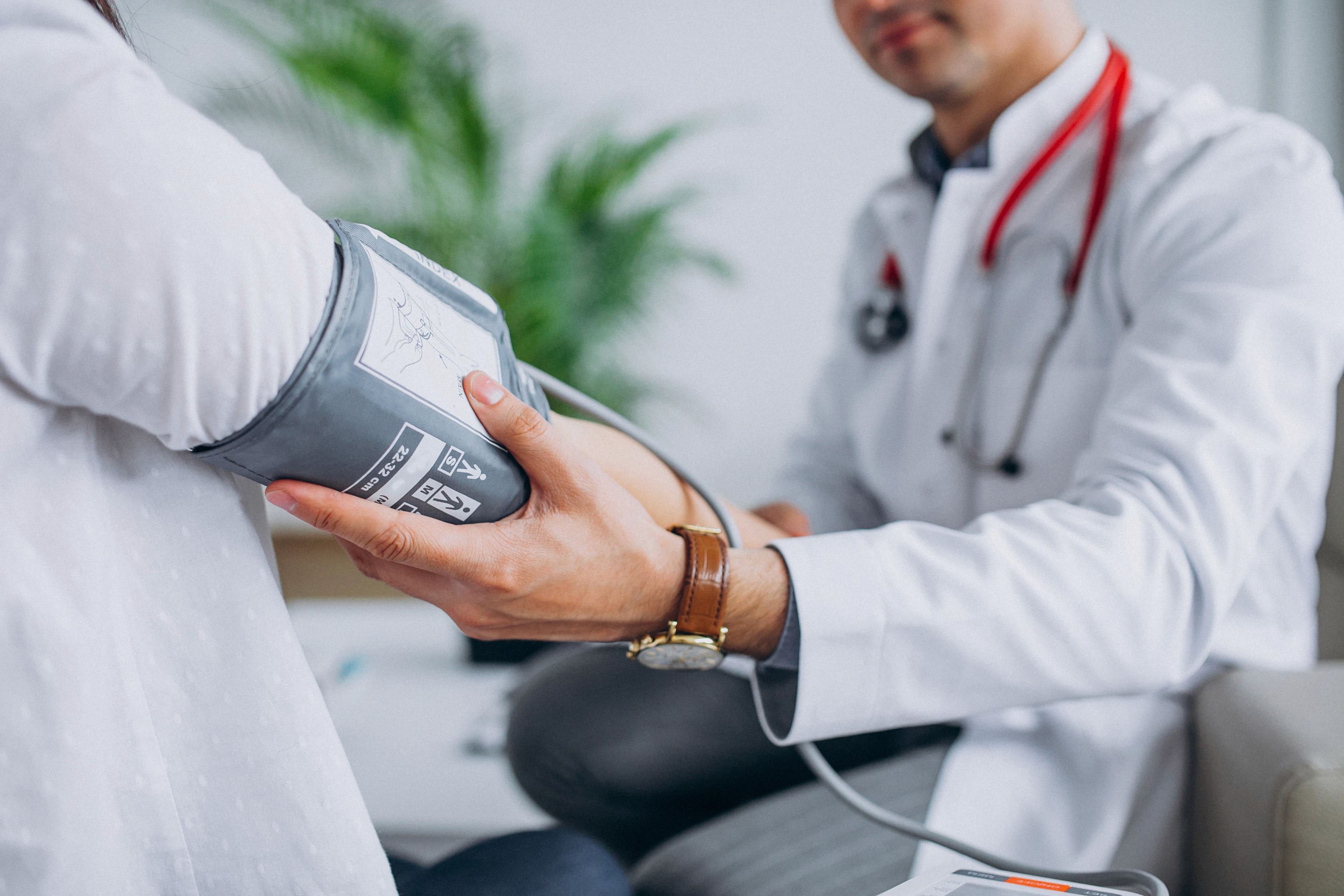
The diagnosis of primary immunodeficiency is a detailed process that requires careful clinical and laboratory investigation. Since the symptoms can be confused with common infections, early recognition is essential to avoid pulmonary, autoimmune, and inflammatory complications.
The diagnostic assessment usually follows several complementary stages:
Family and Health History: analyzes the presence of repeated infections, autoimmune diseases, and similar cases in close relatives.
Physical Exam: observes clinical signs of chronic inflammation, enlarged lymph nodes, and skin alterations.
Blood Tests: measure levels of immunoglobulins (IgG, IgA, IgM) and other markers of immune response.
Skin Tests: evaluate the immune system's response capacity to specific stimuli.
Biopsy: when necessary, allows examination of lymphatic, pulmonary, or intestinal tissues to identify inflammatory alterations.
Genetic Testing: confirms mutations or deletions in genes linked to primary immunodeficiencies.
After this assessment, the doctor can define the subtype of deficiency and indicate the recommended treatment - which includes everything from the use of immunoglobulin to innovative genetic therapies.
Treatments for Primary Immunodeficiency
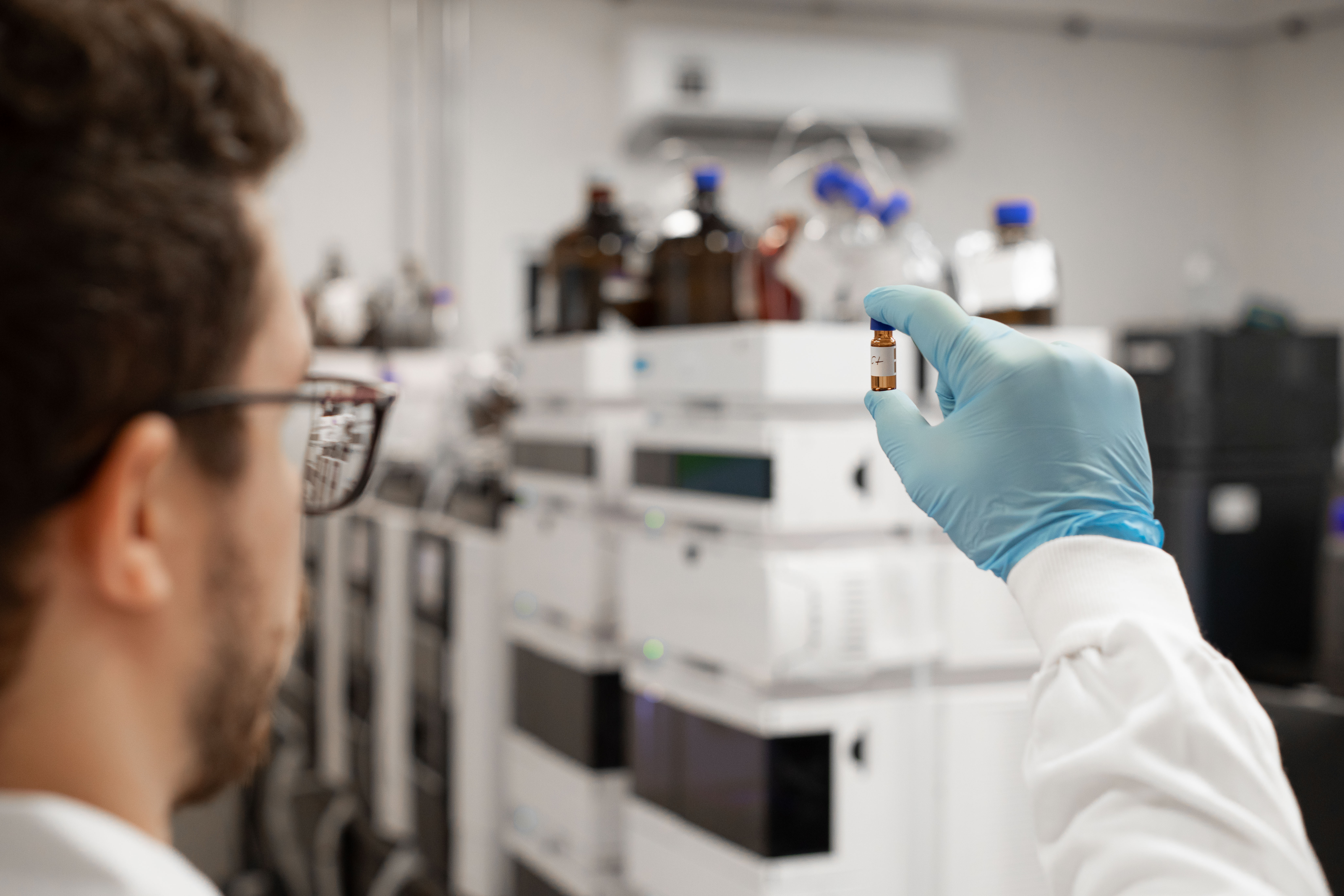
Although there is still no definitive cure for all types of primary immunodeficiency, modern medicine offers several assertive therapeutic options that help control symptoms and prevent infections.
Treatment is always individualized, considering the specific type of deficiency, clinical history, and severity of manifestations.
In many cases, a combined approach of medications, immunological therapies, and general support allows for an active and healthy life, even with the condition.
Antibiotics
Antibiotics remain an important tool in the treatment of primary immunodeficiency. They are used both to combat existing bacterial infections and to prevent new episodes – especially in patients with a history of pulmonary infections or recurrent otitis.
In some cases, the doctor may recommend continuous low-dose use, called antibiotic prophylaxis, to reduce recurrence and associated complications. Clinical follow-up is essential to adjust the type of medication and avoid bacterial resistance.
Gene Therapy
Gene therapy represents one of the most promising frontiers of modern medicine. Indicated for severe hereditary cases, such as severe combined immunodeficiency (SCID), this approach seeks to directly correct the defective gene responsible for the immune failure.
Although still in experimental phase, initial results are encouraging: international studies report lasting improvements in immune function and significant reduction in infections in treated patients.
Other Treatments

In addition to the main therapies, there are some complementary interventions that also play a significant role in managing primary immunodeficiency. They include:
Replacement with Immunoglobulin: considered the standard treatment for antibody deficiencies. Application can be done intravenously or subcutaneously, providing lasting protection against infections.
Antibiotic Prophylaxis: used to prevent infections in patients at high risk or with a history of recurrent respiratory infections.
Supervised Vaccination: strengthens the immune defense but should always be conducted under medical guidance, especially in severe immunodeficiencies.
Bone Marrow Transplant: indicated in severe and genetic cases, can completely restore the immune system, especially when performed early.
Physiotherapy and Respiratory Therapy: important for bronchopulmonary hygiene, helping to eliminate secretions and reduce pulmonary complications.
Nutritional Support: of utmost importance for strengthening the immune system, tissue recovery, and metabolic balance.
These measures, when applied together and with specialized follow-up, allow controlling disease progression, reducing hospitalizations, and significantly improving quality of life.
➔ Synvia is conducting a clinical trial focused on the treatment of primary immunodeficiency, with detailed medical evaluation, advanced laboratory tests, and complete follow-up throughout the process. Want to know more? Click here.
Clinical Research and New Treatments
Clinical research has been the most promising path for the advancement of primary immunodeficiency treatment. Through studies monitored by medical teams, it is possible to evaluate new therapies, analyze the effectiveness of existing medications, and develop personalized approaches.
These studies are necessary to understand how the immune system reacts to different interventions and to identify safe and effective strategies that can be applied in clinical practice in the future.
Participating in a clinical trial is, therefore, a unique opportunity. In addition to accessing innovative treatments for free, participants are monitored by experienced professionals, with constant monitoring of their clinical condition, regular exams, and all the necessary support.
Each participant in a clinical study directly contributes to the advancement of science and medicine, helping to create solutions that can benefit and transform the lives of thousands of people in the future.
Participate in a new opportunity for free treatment, with specialized medical follow-up
Synvia is conducting a clinical trial aimed at people with low antibody production, with the goal of improving quality of life and expanding therapeutic options available to those facing this condition.
The study invites children from 2 years old and adults with a confirmed diagnosis of primary immunoglobulin G (IgG) deficiency - one of the most common types of primary immunodeficiency.
Important: for individuals under 18 to participate in the clinical trial, the authorization of legal guardians is necessary.
During the process, participants receive specialized medical follow-up, free laboratory assessments, and comprehensive support, always with total privacy and security.
Among the warning signs that may indicate the need for evaluation are:
Recurrent and Uncommon Infections;
Infections that do not improve with conventional treatment;
Growth Delay or Weight Gain;
Family History of Primary Immunodeficiency.
Participating in a clinical trial is a way to access what is advanced in medicine, contributing to the development of therapies that can transform the lives of thousands of people.
If you recognize these signs or already have a diagnosis of primary immunodeficiency, touch the button below to participate in Synvia's study and discover a new treatment opportunity – safe, free, and conducted by specialists in clinical immunology.
_________________________________________________________________________________________________
REFERENCES:
MAYO CLINIC. Primary immunodeficiency – Symptoms and Causes. Available at: https://www.mayoclinic.org/diseases-conditions/primary-immunodeficiency/symptoms-causes/
MSD MANUALS – PROFESSIONAL. Overview of immunodeficiencies. Available at: https://www.msdmanuals.com/pt/profissional/imunologia-dist%C3%BArbios-al%C3%A9rgicos/imunodefici%C3%AAncias/vis%C3%A3o-geral-das-imunodefici%C3%AAncias
MSD MANUALS – HOME. Common variable immunodeficiency (CVID). Available at: https://www.msdmanuals.com/pt/casa/doen%C3%A7as-imunol%C3%B3gicas/doen%C3%A7as-decorrentes-de-imunodefici%C3%AAncia/imunodefici%C3%AAncia-comum-vari%C3%A1vel-icv
MSD MANUALS – HOME. General considerations about immunodeficiencies. Available at: https://www.msdmanuals.com/pt/casa/doen%C3%A7as-imunol%C3%B3gicas/doen%C3%A7as-decorrentes-de-imunodefici%C3%AAncia/considera%C3%A7%C3%B5es-gerais-sobre-imunodefici%C3%AAncias
SPAIC – PORTUGUESE SOCIETY OF ALLERGOLOGY AND CLINICAL IMMUNOLOGY. Primary immunodeficiencies. Lisbon: SPAIC, 2020. Available at: https://www.spaic.pt/client_files/grupos_trabalho_publicacoes/imunodeficincias-primrias.pdf