
Article
Mar 16, 2026
Allergic rhinitis in children: symptoms, causes, and care
Allergic rhinitis in children: learn to identify symptoms, understand causes, and discover treatment options to improve the well-being of little ones.
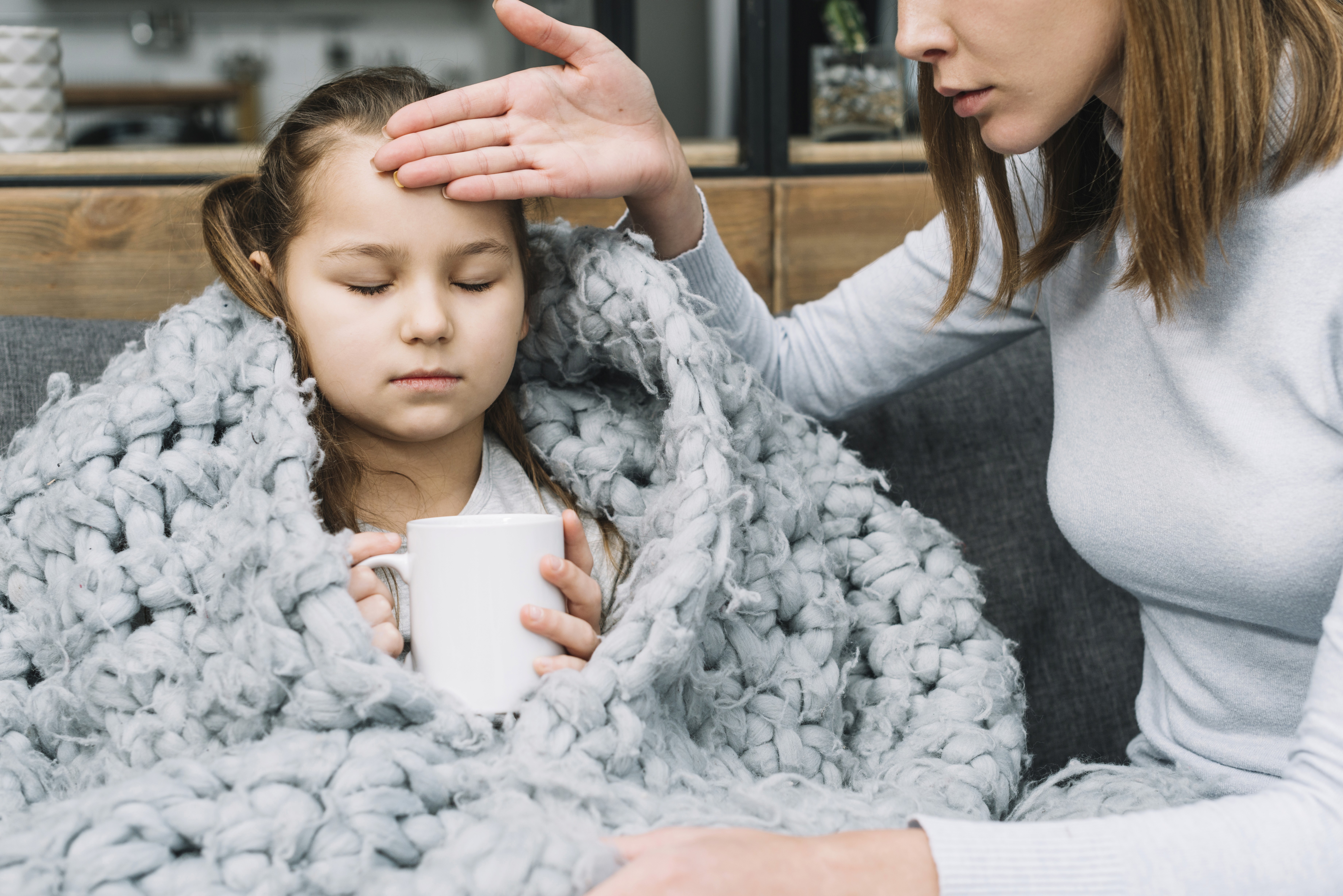
Runny nose? Sneezing after sneezing? Allergic rhinitis in children is a very common condition — and it can cause persistent discomfort if not well understood.
Therefore, in today's article, we will clearly explain what allergic rhinitis in children is, how to differentiate it from a simple cold, what the warning signs are, how the diagnosis is made, and what care parents can adopt in their daily lives.
Our goal is to provide reliable information, dispel some myths, and support parents and caregivers in the quest for quality of life for the little ones — without replacing medical advice. Shall we?
What is allergic rhinitis in children?
According to a study published by MSD Manuals, allergic rhinitis in children is an inflammation of the mucous membrane lining the nasal passages, triggered by an exaggerated immune response to normally harmless substances, also known as allergens. These can include:
Pollen
Dust mites
Mold
Fungi and others
In childhood, this condition often manifests frequently and has a significant impact on the child's daily life — therefore, knowing about allergic rhinitis in children is very important for parents and caregivers.
The prevalence of inflammation varies with age and region, but it is estimated that many children experience recurrent episodes of nasal and respiratory symptoms during childhood.
Difference between rhinitis and cold
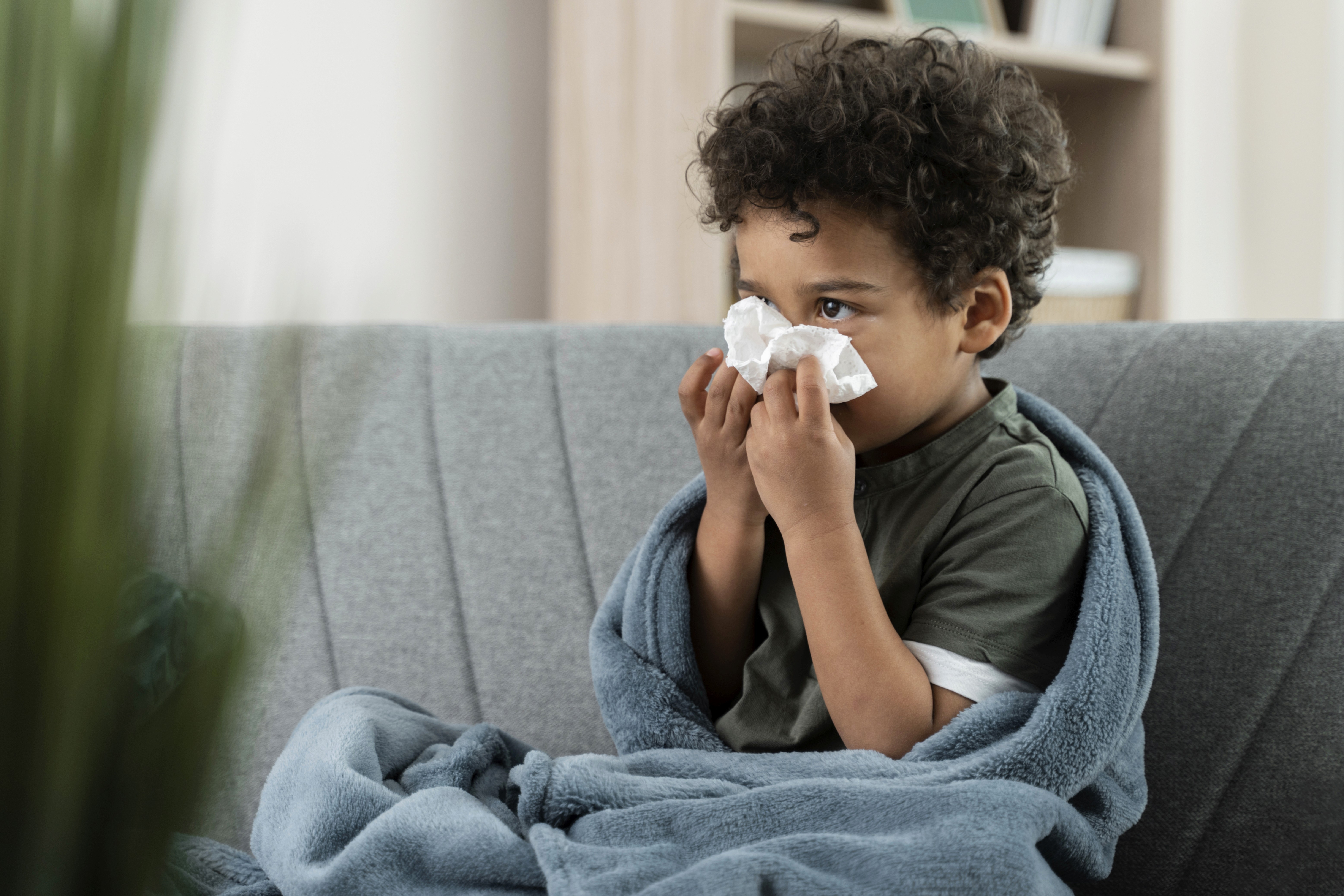
The truth is that it is not uncommon for people to confuse the symptoms of allergic rhinitis in children with those of a common cold — but understanding the differences is important to know how to act correctly.
Similarities:
Runny nose or nasal congestion
Sneezing and the feeling of a stuffy nose
Differences:
Duration and recurrence: while a cold usually lasts a few days to one or two weeks, allergic rhinitis in children tends to be chronic or recurrent, with frequent symptoms, sometimes lasting for months.
Discharge and mucus: in allergic rhinitis, the runny nose is usually clear, watery, and persistent, unlike colds where there may be thicker mucus with yellow or green coloring.
Fever and systemic symptoms: colds are usually accompanied by fever, general malaise, and body aches — while allergic rhinitis rarely causes fever or muscle pain.
Seasonality or specific triggers: allergic rhinitis in children may arise or worsen during times of greater exposure to allergens (such as pollen, dust, mold, pet dander) or when the environment favors the accumulation of particles.

Impact of allergic rhinitis on the child's well-being
Childhood allergic rhinitis goes beyond sneezing and a stuffy nose — it can deeply affect the child's quality of life in various ways:
Impaired sleep: nasal congestion, runny nose, and difficulty breathing can cause fragmented or insufficient sleep.
Reduced school performance and attention: fatigue, irritation, and discomfort can interfere with concentration, contributing to poor performance at school.
Changes in mood and behavior: constant discomfort, itching, poor sleep, and irritation can make the child more agitated, nervous, or unwell.
Respiratory and otorhinolaryngological problems: allergic rhinitis in children can favor sinusitis, ear infections (otitis), and even imbalances in breathing.
Social impacts and quality of life: children may miss classes, avoid outdoor activities, or feel discomfort in environments with allergens, which affects social interaction and leisure.
In other words, allergic rhinitis in children, when poorly controlled, can compromise the health, development, and well-being of your child — reinforcing the importance of proper diagnosis and care.
Main symptoms of childhood rhinitis
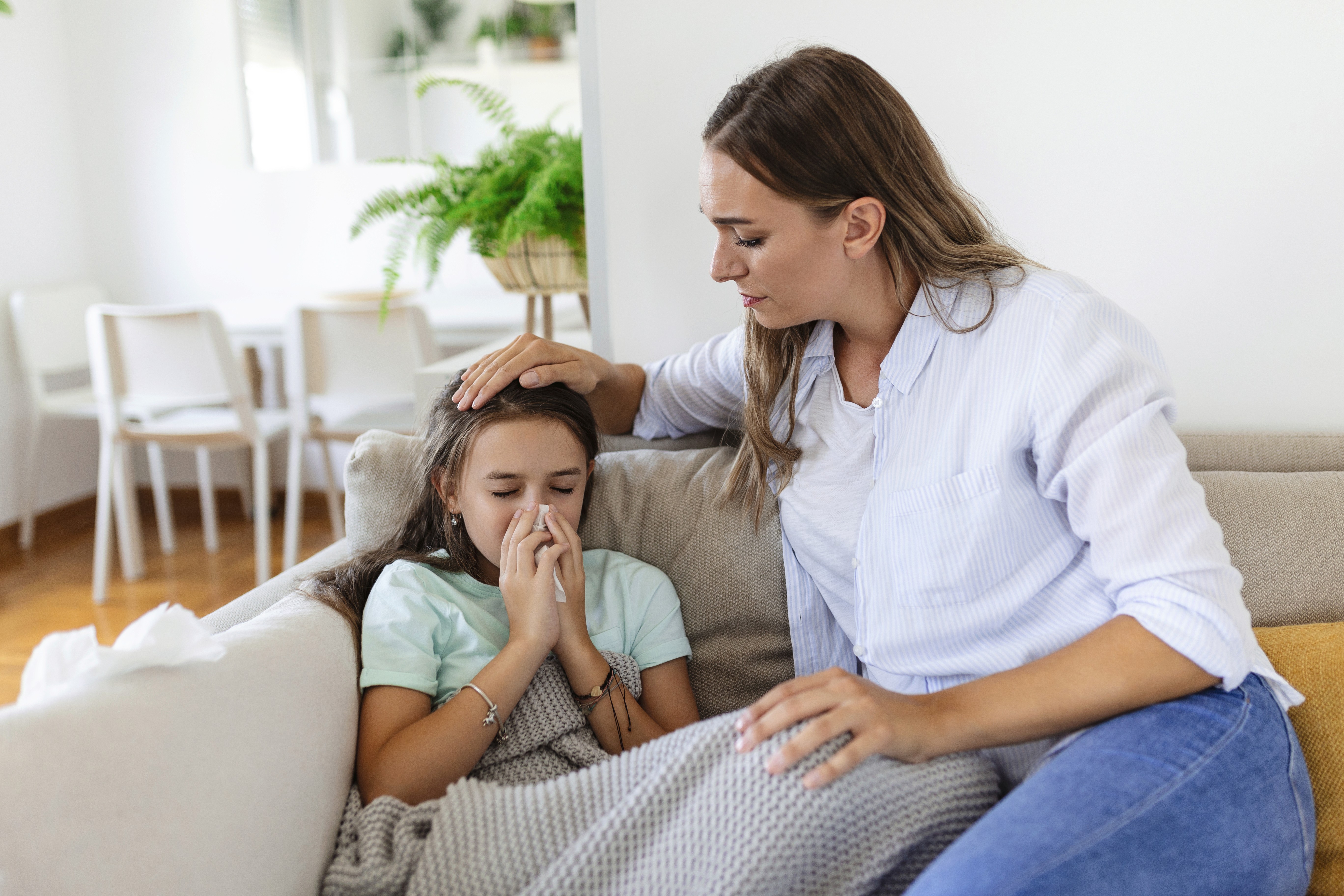
Before we go further, it is important to be aware of the most common symptoms of allergic rhinitis in children — especially so you, as a parent or caregiver, can identify signs early on.
Common symptoms include: stuffy or runny nose, sneezing, itching in the nose or eyes, teary eyes, cough, throat-clearing, or the sensation of mucus dripping down the throat, mouth breathing, snoring or noisy breathing during sleep.
Taking all of this into consideration, it is important to separate what can be observed at home from what deserves medical attention. Keep reading!
➔ Do you want your child to participate in the study on childhood allergic rhinitis? Click here to access the form and learn more. |
|---|
How to identify childhood rhinitis at home?
You, as a parent or caregiver, might suspect allergic rhinitis in children when you notice that some signs begin to appear repeatedly and at different times of the day.
When these symptoms no longer seem incidental and start to follow a certain pattern, it is important to sound the alarm. Identifying this recurrence is the first step to better understand what might be happening.
You may suspect allergic rhinitis in children if you notice:
Frequent sneezing — especially in "bursts" (i.e., in groups over a period of time, interspersed with remissions) and repeated on different days.
Clear and constant runny nose, without pus or thick mucus.
Stuffy nose or the feeling of nasal obstruction, even without apparent cold.
Itching in the nose, eyes, or ears; watery or irritated eyes.
Snoring or mouth breathing during sleep, especially if the child previously breathed through their nose.
These are some signs that — when recurrent or persistent — may indicate allergic rhinitis in children.
Which symptoms are signs that you should seek a doctor?
Seek medical attention if the symptoms are persistent, last for weeks, or begin to interfere with the child's routine — such as impairing sleep, appetite, or school activities.
Significant changes in behavior, constant irritability, or signs of respiratory discomfort are also red flags. Likewise, frequent headaches, episodes of sinusitis, recurrent ear infections, or severe mouth breathing may indicate the need for professional evaluation.
In other words, any situation where allergic rhinitis in children is directly affecting your child's quality of life, pediatric guidance is essential.

Causes of allergic rhinitis in children and risk factors
Allergic rhinitis in children typically occurs due to a combination of genetic predisposition and environmental factors. Among the main causes and risk factors are:
Exposure to household allergens: such as dust mites, dust, molds, and pet dander.
Pollen and environmental pollutants: especially during pollen seasons or in regions with high pollution levels.
Family history of allergies: children whose parents or siblings have allergies, asthma, or eczema are more likely to develop allergic rhinitis.
Closed or poorly ventilated environments, accumulation of dust or mold: rooms with heavy curtains, carpets, stuffed toys, rugs, shelves that collect dust, among others.
Household pollution or passive smoking: cigarette smoke, strong cleaning products, strong odors can worsen or trigger crises.
All these elements can trigger crises and intensify the symptoms of allergic rhinitis in children.
How is the diagnosis of allergic rhinitis in children made?

The diagnosis of allergic rhinitis in children involves a detailed evaluation conducted by a pediatrician or allergist. The professional typically begins with a complete clinical history, analyzing the frequency of symptoms, the environment in which they occur, and possible triggers.
Then, they perform a physical examination of the nose, throat, and ears, looking for typical allergy signs, such as swollen nasal turbinates or clear discharge.
In some cases, allergy tests are recommended to identify specific allergens that trigger the reaction. This entire process is crucial to differentiate allergic rhinitis from other respiratory conditions and to guide appropriate treatment.
How to treat childhood rhinitis?
The treatment of allergic rhinitis in children depends on the severity of symptoms, the child's age, their overall health, and also the frequency of crises. The aim is to reduce symptoms, prevent crises, and improve quality of life — always with medical follow-up.
Daily care and prevention
Below are some care and prevention measures that, if implemented, greatly help control childhood rhinitis:
Control of the home environment: keep the house clean, free from dust and mold, avoid heavy curtains, carpets, stuffed toys, and objects that collect dust.
Regular hygiene: clean furniture and surfaces with a damp cloth (avoiding brooms), wash bedding frequently, use hypoallergenic covers on mattresses and pillows.
Good ventilation and air circulation: air out the environments, allow sunlight in, and keep the environment clean and dry.
Avoid known allergens: keep pets away if they cause reactions, avoid cigarette smoke, heavy dust, and mold.
Nasal hygiene with saline solutions: to help clean the nasal passages and remove irritating particles.

A new treatment option for childhood rhinitis
Synvia, a reference in clinical research for over 20 years, is conducting a new study investigating innovative treatment possibilities for allergic rhinitis in children — and families like yours can be part of this evolution.
By participating, your child receives specialized medical care, free exams, and all the necessary structure for a careful and smooth process. More than 30,000 people have trusted Synvia, contributing to the advancement of therapies that are now part of the lives of millions of patients.
Your participation not only opens doors to new approaches but also helps science take a big and very important step towards safer and more qualified solutions for children.
The registration is simple, secure, and done with total confidentiality. Your data is protected by the LGPD and used exclusively for contact regarding the study — nothing is recorded without your own consent.
If you want to learn about a new treatment option for allergic rhinitis in children and also directly contribute to scientific development, click the button below and register now.
________________________________________________________________________________
REFERENCES:
MSD Manuals. Rhinitis – Nose and Sinus Disorders. MSD Manuals – Consumer Version. Available at: https://www.msdmanuals.com/home/ear-nose-and-throat-disorders/nose-and-sinus-disorders/rhinitis
MSD Manuals. Allergic Rhinitis – Immunology, Allergic Disorders. MSD Manuals – Professional Version. Available at: https://www.msdmanuals.com/professional/immunology-allergic-disorders/allergic-autoimmune-and-other-hypersensitivity-disorders/allergic-rhinitis
Hopkins Medicine. Allergic Rhinitis in Children. Johns Hopkins Medicine. Available at: https://www.hopkinsmedicine.org/health/conditions-and-diseases/allergic-rhinitis-in-children
Brazilian Society of Allergy and Immunology (SBAI). Allergic Rhinitis. SBAI. Available at: https://www.sbai.org.br/secao.asp?id=854&s=81