
Article
Apr 7, 2026
Type 2 diabetes and high cholesterol: relationship, risks, and care
Understand how type 2 diabetes and high cholesterol are related, the risks of this combination, and how to care for your health safely and properly.

Type 2 diabetes and high cholesterol often appear together, creating a scenario that requires extra care and continuous medical follow-up. This association increases cardiovascular risks, intensifies inflammation, and alters the body's metabolism.
Type 2 diabetes is one of the world's most prevalent chronic conditions and is often accompanied by dyslipidemias such as elevated LDL, reduced HDL, and altered triglycerides.
The combination of these changes represents one of the main challenges for modern metabolic health.
In today's article, we'll talk about the relationship between type 2 diabetes and high cholesterol, what the risks are, and what precautions should be taken. Understanding this possible connection can help you make more informed decisions and actively participate in your daily care. Let's go? Happy reading.
What is Type 2 Diabetes?
Type 2 diabetes is a metabolic condition in which the body starts to use insulin improperly (insulin resistance) and, over time, reduces its production of the hormone, resulting in high blood glucose, causing progressive damage to blood vessels, kidneys, eyes, and the nervous system.
Type 2 diabetes is influenced by genetic, behavioral, and environmental factors.
The condition is also linked to issues such as a sedentary lifestyle, poor diet, excess weight, and family history. Many people live with the disease for years without noticing it, precisely because its symptoms can be mild or even silent.
That is why regular tests and follow-up are essential even for individuals who consider their lifestyle healthy.
Important information about Type 2 Diabetes

The type 2 diabetes has several characteristics that directly influence how the body metabolizes glucose and lipids. Below, we'll address key points that help clarify common doubts and guide patients and family members about what is really happening in the body.
What is insulin resistance?
Insulin resistance occurs when cells stop responding properly to the hormone that allows glucose to enter. To compensate, the pancreas produces more insulin — until it reaches a point where it cannot meet the demand.
This excessive production results in glucose accumulating in the blood, generating profound metabolic changes that favor both type 2 diabetes and high cholesterol.
Why does blood sugar get high?
In type 2 diabetes, blood glucose rises because the body cannot produce enough insulin or use it properly. This low production prevents glucose from being directed to cells to generate energy, causing it to build up in the bloodstream.
When glucose remains elevated for a long time, microscopic damage occurs in blood vessels, reducing the body's ability to nourish tissues and organs. Over time, the risks of kidney disease, vision changes, neuropathy, and heart problems increase.

Myths about Type 2 Diabetes
Before listing the myths, it is important to reinforce that health education is a tool of great importance for the treatment of diabetes type 2.
Many patients delay seeking proper help because they believe incorrect information that has circulated for years.
Therefore, understanding what is fact and what is myth helps reduce risks and improve treatment response. Myths include:
“Type 2 diabetes occurs only in people who are overweight.”
“Just cutting out sugar solves the problem.”
“People with type 2 diabetes are cured.”
After understanding these myths, it becomes clearer why so many people neglect early diagnosis. The reality is that genetic factors, lifestyle habits, and even hormonal changes influence the onset of the disease.
The mistaken belief that only people who are significantly overweight develop type 2 diabetes means many individuals never undergo preventive testing.
Signs and risk factors of Type 2 Diabetes
The risk factors for type 2 diabetes accumulate over a lifetime. In other words, even small routine changes, such as improving your diet or starting a light physical activity, already significantly reduce the likelihood of developing the disease. Some signs are:
Intense thirst
Frequent urination
Excessive hunger
Tiredness
Blurred vision
Family history
Overweight
Sedentary lifestyle
After learning these signs, it is clear that some symptoms can be mistaken for other conditions. That is why periodic tests are essential, especially for those who already have more than one risk factor.
The earlier type 2 diabetes is identified, the lower the chances of serious complications.
Can Type 2 Diabetes be cured?
Although many people seek the answer to “can type 2 diabetes be cured?”, science shows that the correct term is remission, not cure. In remission, glucose levels remain normal without medication, but the person still has a predisposition to the disease.
This information is important to avoid false promises and miracle treatments. Remission requires deep and continuous changes in routine, and even then it requires frequent monitoring to prevent relapses. Thus, even when controlled, type 2 diabetes requires constant attention.

What is dyslipidemia (high cholesterol and high triglycerides)?
Dyslipidemia, popularly called high cholesterol, occurs when there is an imbalance between LDL, HDL, and triglycerides. According to the MSD Manuals, these changes increase the risk of cardiovascular disease and stroke.
The LDL is often called “bad cholesterol” because, when elevated, it tends to accumulate in the walls of arteries, forming plaques that hinder blood circulation.
The HDL, known as “good cholesterol,” acts like a “cleaner,” helping remove excess cholesterol from the blood and transport it back to the liver.
The triglycerides, in turn, are a type of fat used as an energy source, but when they are high, they favor inflammation, insulin resistance, and increased cardiovascular risk.
When these three elements are imbalanced — high LDL, low HDL, and elevated triglycerides — the body enters a state of greater vulnerability, making high cholesterol a silent, progressive, and potentially dangerous condition.
Common myths about high cholesterol
Many patients believe that high cholesterol is linked only to fatty foods. This limited view prevents understanding factors such as genetics, sedentary lifestyle, and insulin resistance, which also deeply influence lipid levels.
In addition, the fact that high cholesterol is silent means many ignore the need for regular testing. Without direct symptoms, the disease progresses unnoticed, increasing the risk of cardiovascular events. Myths include:
“Only people who eat fatty foods have high cholesterol.”
“High cholesterol always presents symptoms.”
“Young people are not at risk.”
After understanding these myths, it becomes evident that anyone—regardless of age—can develop high cholesterol. The absence of direct symptoms also reinforces the importance of continuous medical follow-up.
What causes high cholesterol?

The causes of high cholesterol involve genetic factors, dietary habits, lack of physical activity, smoking, insulin resistance, and obesity. Each of these factors contributes differently to lipid imbalance.
In addition to biological factors, emotional and lifestyle aspects also influence it. Chronic stress, insufficient sleep, and excessive consumption of ultra-processed foods are elements often overlooked, but they play a significant role in raising cholesterol.
Symptoms of high cholesterol
The truth is that there are no direct symptoms of high cholesterol. However, complications resulting from it can cause chest pain, shortness of breath, fatigue, and discomfort during physical activities.
This lack of symptoms is one of the reasons why periodic tests are necessary. Many people only discover the problem after a cardiovascular event, which reinforces the importance of prevention and regular follow-up.
➔ Synvia, a reference in clinical research for more than 20 years, is conducting studies that investigate new treatment possibilities for people with type 2 diabetes and high cholesterol. Click here and learn more! |
|---|
Why can Type 2 Diabetes and high cholesterol appear together?
Type 2 diabetes and high cholesterol often appear together due to insulin resistance, which affects both glucose and lipid metabolism. When cells do not respond properly to insulin, the liver compensates by producing more triglycerides and LDL, while also lowering HDL.
This set of changes — called diabetic dyslipidemia — contributes to systemic inflammation and accelerates the development of fatty plaques in the arteries. That is why integrated follow-up is so important.
Risks of the combination between Type 2 Diabetes and high cholesterol
Before presenting the dangers of this combination, it is important to understand that cardiovascular risk increases exponentially when type 2 diabetes and high cholesterol coexist.
Elevated blood glucose damages the inner walls of the arteries, making them more susceptible to the buildup of fatty plaques. Over time, this increases the likelihood of events such as heart attack and stroke.
In addition, both conditions promote silent inflammation, which speeds up vascular deterioration without the patient noticing, making continuous monitoring necessary, even when there are no apparent symptoms. The risks are:
Accelerated atherosclerosis
Cardiovascular disease
Stroke
Kidney disease
Systemic inflammation
After analyzing these risks, it becomes clear that control of both conditions must be strict and continuous. Even small changes in habits can have a significant impact on cardiovascular health. Frequent tests and adherence to treatment help slow disease progression and prevent serious complications.
Understanding these risks increases motivation for more consistent lifestyle changes. Patients who understand the impact of type 2 diabetes and high cholesterol tend to adhere better to medical recommendations and seek specialized support.
➔ Synvia is conducting studies that investigate new treatment possibilities for people with type 2 diabetes and high cholesterol. If you already have the diagnosis and want to know whether you can participate, tap here. |
|---|
How to control high cholesterol when you already have Type 2 Diabetes?
Controlling high cholesterol when living with type 2 diabetes requires an integrated approach. Glycemic control directly influences the lipid profile, and vice versa. Therefore, each stage of treatment must consider both conditions.
Patients who understand how diet, physical activity, and body weight influence metabolism have a better chance of achieving good results. Professional follow-up is important to maintain stability and prevent long-term complications.
Diet
Diet is one of the most effective tools for improving both type 2 diabetes and high cholesterol. Adequate intake of soluble fiber, lean proteins, and healthy fats helps reduce LDL, balance triglycerides, and improve insulin sensitivity.
Consistent dietary choices reduce inflammation and produce sustainable results. Small swaps, such as replacing fried foods with baked preparations, already have an impact. Including whole foods and vegetables also strengthens long-term metabolic control.
Physical activity
Regular exercise helps reduce triglycerides, increase HDL, and improve insulin sensitivity. Walking, aerobic exercise, and strength training are recommended strategies for those living with type 2 diabetes and high cholesterol.
Physical activity also regulates hormones related to appetite and reduces visceral fat — one of the main factors that worsen insulin resistance. Even light exercise, when done every day, offers substantial benefits.
Body weight and abdominal circumference
Reducing abdominal circumference is directly linked to improved insulin resistance. Less visceral fat means less inflammation and less triglyceride production by the liver, simultaneously reducing the risks of type 2 diabetes and high cholesterol.
Gradual changes are more effective than extreme diets. Losing up to 5% of body weight already significantly improves metabolic and cardiovascular markers. The important thing is to build sustainable routines.
Glycemic control to regulate cholesterol levels
Controlled blood glucose is one of the pillars for reducing triglycerides and balancing LDL and HDL levels. Since glucose and lipid metabolism are interconnected, controlling one makes it easier to control the other.
Glycemic control also helps reduce inflammation, protecting blood vessels and lowering the risk of cardiovascular complications. Aligning diet, medication, and exercise routine makes care more complete and effective.
When to seek medical help?
It is extremely important to seek medical care when there are signs such as chest pain, shortness of breath, extreme fatigue, blurred vision, persistent tingling, or frequent fluctuations in blood glucose.
Even without symptoms, people at increased risk should have regular checkups.
Patients diagnosed with type 2 diabetes and high cholesterol need ongoing follow-up, as both conditions progress over time. Early intervention drastically reduces the chances of serious complications and improves quality of life.
Clinical research for people with Type 2 Diabetes and high cholesterol
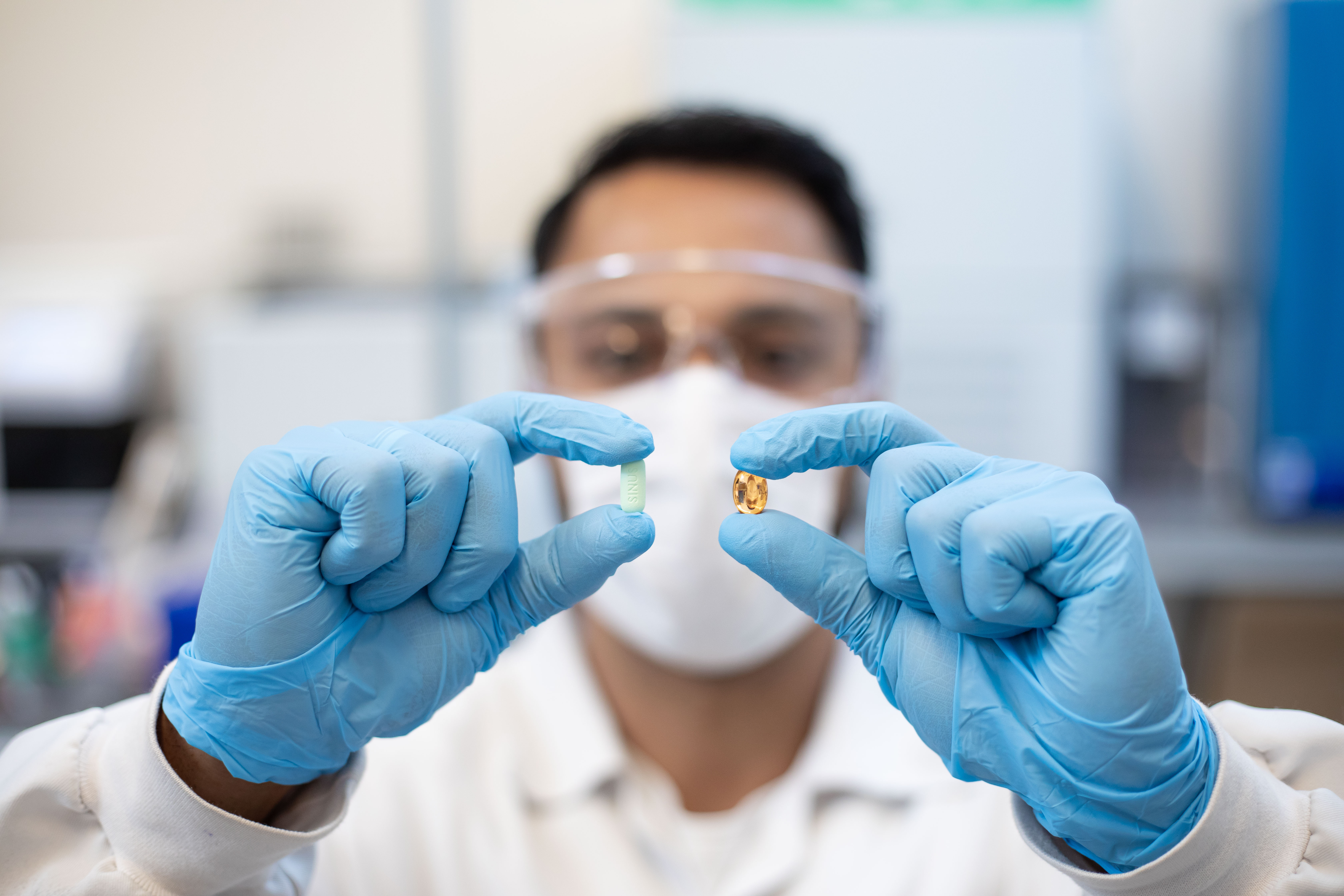
Clinical studies are necessary for the advancement of new treatments. They assess safety, efficacy, and therapeutic innovations with scientific rigor, allowing patients to access alternatives closely monitored by specialists.
Synvia, a reference in clinical research in Latin America, is conducting studies aimed at people with type 2 diabetes and high cholesterol. By participating, you receive specialized medical follow-up, free tests, and full support throughout the process.
Participating in a clinical study is a way to contribute to the advancement of science and, at the same time, receive differentiated care that can ease the effects and provide more clarity about your condition.
Do you want to participate? Tap the button below and check all the details!