
Article
Mar 11, 2026
Is intense menstrual cramps normal? What are the treatments?
Intense menstrual cramps no longer have to limit your life. Discover the symptoms, the causes, and a new treatment alternative - at no cost.
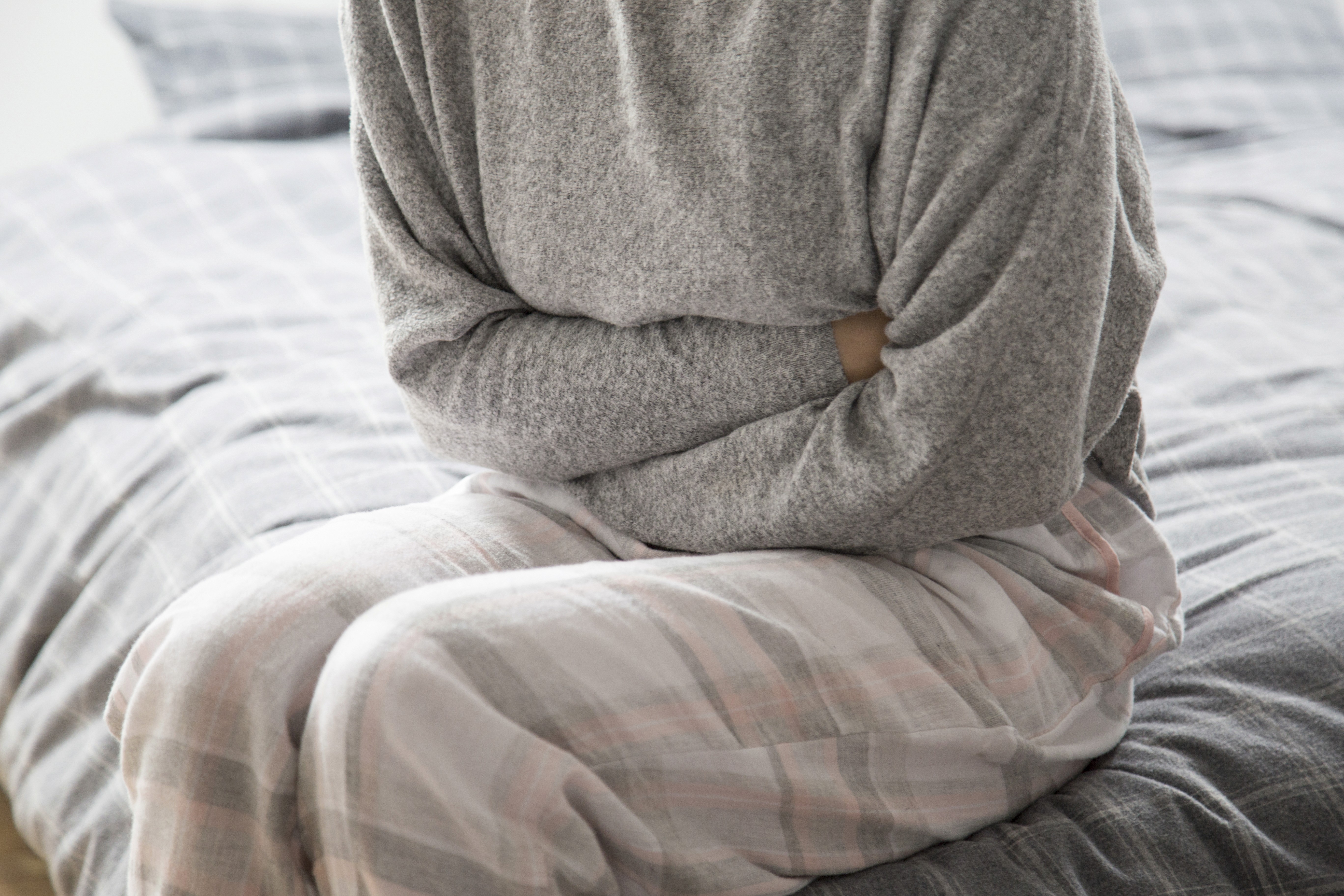
Intense menstrual cramps are a common symptom, but they are not always "normal." In many cases, they can indicate something beyond just "menstrual pain." It is estimated that between 50% to 90% of women of reproductive age have experienced menstrual pain at some point in their lives.
In a study conducted with university students, the State University of Goiás found that about 85.5% report moderate to severe pain during the menstrual cycle - that is, cramps that interfere with daily life.
So, if you suffer from strong menstrual cramps, you are not alone - but you also deserve appropriate investigation and treatment. In this article, we will explain what might be behind these pains, what worsens cramps during PMS, impacts on daily life, and finally, innovative and reliable treatments. Happy reading!
Technical note: dysmenorrhea is the medical term for menstrual pain. Here we will use "intense/strong menstrual cramps" for ease of reading and identification. |
|---|
What can cause very strong menstrual cramps?
There are several possible causes for intense menstrual cramps. When the pains become frequent or debilitating, it is especially important to investigate if there is any underlying condition.
Still, we have prepared for you a list of some potential causes of strong menstrual cramps. They are:
Excessive production of prostaglandins: prostaglandin is a substance produced in the uterus that causes it to contract. When the body produces this substance excessively, the contractions become stronger and blood circulation in the area worsens, increasing the pain.
Anatomical or pathological changes: in some cases, cramps can be related to conditions such as endometriosis, uterine fibroids, adenomyosis, pelvic adhesions, or pelvic inflammatory disease. In these cases, pain often arises late or has different characteristics.
Intense menstrual flow or irregularities in the cycle: high menstrual flow or very long duration may be associated with more frequent or strong uterine contractions, which can lead to stronger cramps.
Increased inflammatory response: in some women, there is a predisposition to react with more intense pain to normal menstrual cycle stimuli, due to pelvic nerve sensitivity, inflammatory processes, or hormonal variations.
Hormonal factors or subtle endocrine dysfunctions: changes in hormone levels or imbalances can directly influence the degree of pain felt in each cycle.
These causes are not mutually exclusive, meaning more than one factor can act simultaneously to generate very strong cramps during menstruation.
What is the pain scale for cramps?
To calculate the intensity of menstrual pain, the Visual Analog Scale (VAS) or other numerical scales (for example: 0 = no pain, 10 = worst imaginable pain) is often used.
In research with medical students from the Private University of Teresina, in Piauí, the average pain reported was 5.9 (moderate), but a significant portion reported intense pain (grade 7-10) during menstruation.
Complex? To better clarify what we are talking about, in general, we can understand:
Pain Range | Common Characteristics | Examples of Impact |
Mild (0-3) | discomfort, tolerable, little interference | continue activities with discomfort |
Moderate (4-6) | requires rest, may use painkillers | reduced productivity |
Severe (7-10) | debilitating pain, may be accompanied by symptoms | become immobilized, have nausea, miss work/study |
Is it easier this way, don’t you agree? If your menstrual cramps are very strong and frequently prevent you from carrying out your activities, you may need specialized medical attention.
<
What worsens menstrual cramps?
A large part of menstrual pain worsens due to lifestyle and dietary habits. Here are some factors that can intensify intense menstrual cramps:
Unregulated diet: diets high in processed foods, low in fiber, and high in saturated fats can increase inflammation in the body and sensitize the pain system.
Excessive consumption of sweets and caffeine: these substances can increase prostaglandin production or stimulate uterine contractions, especially in young women who rely on coffee for their routine.
Excess of alcohol and tobacco: toxic and inflammatory substances can worsen circulation and increase pain sensitivity.
Processed foods: foods high in sodium, additives, or preservatives can promote fluid retention or inflammatory processes.
Sedentary lifestyle: the absence of physical activity reduces the release of endorphins (natural painkillers in the body) and worsens the extent of pain.
It is important to understand that these listed factors do not necessarily cause cramps on their own, but can amplify pain that is already persistent or recurrent.
Impacts of intense menstrual pain
When strong menstrual cramps become a frequent pain, the impact goes far beyond moments of discomfort:
Inability to remain active: many women report that the pain limits getting out of bed or doing simple tasks during the day.
Interference in basic tasks: even routine activities, such as walking, sitting, or going to the bathroom, can be affected.
Decline in academic or professional performance: studies show that menstrual pain is a common cause of absences and delays.
Social withdrawal: in many cases, during intense menstrual periods, the person prefers to isolate themselves or avoid social interactions.
The suffering caused by intense menstrual cramps goes beyond physical pain. It affects your self-esteem, mental health, and quality of life. Therefore, it is important to see it as a signal to seek relief and investigation.
⟶ You can relieve your pain and help thousands of other women who also suffer from persistent cramps. CLICK HERE TO LEARN MORE!
Symptoms of intense menstrual cramps

Although menstrual cramps are a common condition among women of childbearing age, it is important to understand that not all pain felt during the cycle is the same - or even healthy.
Some manifestations are considered normal and are part of the natural process of the body, while others may indicate that something is wrong. Differentiating between these two scenarios is necessary so that you know when intense menstrual cramps only deserve basic care and when they need to be investigated.
When menstrual cramps are "normal"
Some symptoms are expected during menstrual cycles, even with pain. Check out some of them now:
Pain in the lower abdomen in the first 24 to 72 hours of menstruation;
Cramps that stop after 1 to 3 days;
Mild localized discomfort;
Feeling of heaviness or mild discomfort;
Mild sensitivity in the pelvic area, without debilitating effects.
These symptoms should not be debilitating and should allow the person to maintain their activities with some analgesic support or basic measures.
When menstrual cramps are concerning
Be wary of the following signs, they may indicate that your intense and frequent menstrual pain needs a medical evaluation:
Intense pelvic pain (high grade) in the first 24-72 hours of the cycle;
Pain that radiates to the lower back, thighs, or inner thighs;
Persistent feeling of pressure or heaviness in the pelvis;
Dizziness, nausea, vomiting, or diarrhea during menstruation;
Extreme fatigue, dizziness, or headache at the beginning of the menstrual period;
Irritability, anxiety, and difficulty concentrating;
Direct impact on school, professional, or social routine;
Persistence of pain after using painkillers or common treatments;
Onset of pain after many years or new pain after a certain age - may indicate secondary dysmenorrhea (menstrual cramps caused by gynecological diseases, such as endometriosis, adenomyosis, or fibroids).
If you fit some of these points, it is important to seek a gynecologist or specialized clinic for investigation - especially of conditions such as endometriosis, which affects about 10% of women in Brazil and can trigger menstrual pain that does not respond to common painkillers.
3 ways to relieve intense menstrual cramps
Before we discuss more advanced treatments, let's explore some measures that can help you temporarily relieve intense menstrual cramps. It is important to remember that many of these methods are palliative or supportive and do not guarantee elimination of frequent pain.
Home methods
Apply local heat (heat pad, warm bath) to the abdominal area;
Warm bath or immersion
Warm compresses
Herbal tea with antispasmodic action (e.g., chamomile, ginger);
Gentle massage in the lower abdomen area.
These methods generally help as a complement but may not be sufficient in cases of frequent intense pain.
Lifestyle changes

Adopt an anti-inflammatory diet: rich in fruits, vegetables, fibers, and low in ultra-processed foods;
Increase omega-3 intake (fish, flaxseed);
Regular physical exercise: releases endorphins that relieve pain;
Stress control: yoga, meditation, relaxation techniques;
Reduce caffeine, alcohol, and tobacco intake;
Maintain good hydration.
These listed changes can improve pain tolerance and reduce the frequency or intensity of crises.
Medications
NSAIDs (non-steroidal anti-inflammatory drugs): ibuprofen, naproxen, diclofenac, among others — considered first-line medications for menstrual pain.
Antispasmodics: used in some cases to reduce uterine muscle contractions.
Simple analgesics (paracetamol) in combination with other medications.
Other drugs under investigation: new anti-inflammatory drugs are being studied for primary and secondary dysmenorrhea - primary dysmenorrhea is menstrual cramps unrelated to diseases, while secondary dysmenorrhea is associated with gynecological conditions such as endometriosis or fibroids.
Even these medications, generally effective, only relieve symptoms temporarily - they do not correct the real cause of your pain, especially if there is a condition like endometriosis or uterine changes.
If none of the above options have solved your intense pain:
Are there treatments to improve frequent intense menstrual cramps without birth control?
The truth is that for many women, the long and exhausting journey in search of relief for menstrual cramps is marked by many failed attempts, whether due to inconsistency or superficiality.
Painkillers that seem to work for a few hours but soon lose their effect. Hormonal contraceptives prescribed as a universal solution, but which, in some cases, not only fail to control pain but also bring side effects.
The result is a cycle of broken expectations, where pain returns month after month, draining your self-esteem, affecting your emotions, undermining your routine, and quality of life. It is not uncommon to hear outpourings like:
"It's a pain that paralyzes me, I can’t even leave the house."
"I have tried everything, but the cramps remain strong and prevent me from living normally."
Such reports reveal a reality that cannot be ignored: not all women respond well to conventional treatments. And it is precisely in this space of need that innovative clinical research arises, opening new possibilities for those who no longer want to live prisoner to pain.
Clinical research for the treatment of recurring cramps
A clinical trial offers the opportunity to test new therapeutic approaches for women suffering from intense and frequent menstrual cramps. In these studies, medications or combinations that are not yet commercially available are evaluated, under strict medical supervision.
These studies are important because:
they aim to expand therapeutic options;
they include medical monitoring and regular examinations;
they do not replace individualized treatment, but complement scientific knowledge.
By bringing together science, innovation, and close medical follow-up, clinical research presents itself as a truly promising option for those who have tried different alternatives without success.
Much more than offering new treatment perspectives, these studies give women the chance to participate in the creation of solutions that can transform the future of women's health care.
Participate for free in Synvia's clinical research for treatment of intense menstrual cramps
Intense menstrual cramps are not just an "excuse" or a passing discomfort: they can affect studies, work, leisure, and even simple moments of everyday life. For women who live with pain and have been frustrated with painkillers or contraceptives, there is another possibility.
Synvia, the largest clinical research company in Latin America, with over 20 years of experience and 1,600 studies conducted, is conducting an exclusive study on the treatment of recurrent menstrual cramps.
The study's objective is to investigate a new treatment possibility, under strict medical supervision, to offer more options for women's health care.
Who can participate?
Women aged 16 to 35 who have intense and recurrent menstrual cramps (four or more painful cycles in the last six months), with regular cycle of 21 to 35 days.
Women diagnosed with endometriosis, adenomyosis, or other pelvic diseases cannot participate, nor those who use hormonal IUDs, implants, or contraceptive injections.
Pregnant women, breastfeeding mothers, women trying to conceive, or people allergic to NSAIDs (non-steroidal anti-inflammatory drugs) are also not allowed to enter.
What is offered?
Access to the treatment being evaluated, at no cost to the participant throughout the study;
Laboratory tests for complete tracking;
Specialized medical team monitoring each stage of the research;
Help thousands of women facing the same problem.
⟶ Have any questions? You can understand a bit more about the clinical research by reading the article: “Will I be a guinea pig if I participate in a clinical trial?”.
Transform your pain into an opportunity for care and change
If you have ever found yourself paralyzed by pain, missing important commitments, or hearing that "it's normal to feel cramps," know that you are not alone.
Intense menstrual cramps can profoundly impact a woman's life, but there is the possibility of seeking new alternatives, with specialized follow-up and at no cost to you.
Participating in Synvia's clinical research is more than caring for yourself: it is also giving voice to thousands of women who face the same challenge every month.
This is an invitation to transform your pain into an opportunity - to receive specialized support and contribute to science so that, in the future, other women also have access to new treatment options. Interested? Tap the button below and reserve your spot!
References
KIRSCH, Elayna; RAHMAN, Sadiq; KEROLUS, Katrina; HASAN, Rabale; KOWALSKA, Dorota B.; DESAI, Amruta; BERGESE, Sergio D. Dysmenorrhea, a narrative review of therapeutic options. Journal of Pain Research, v. 2024. Available at: https://www.dovepress.com/dysmenorrhea-a-narrative-review-of-therapeutic-options-peer-reviewed-fulltext-article-JPR.
MCKENNA, K. A. et al. Dysmenorrhea. American Family Physician, 2021. Available at: https://www.aafp.org/pubs/afp/issues/2021/0800/p164.html.
SHAVIV, H. et al. Dysmenorrhea: a randomized controlled clinical trial. Taylor & Francis Online, 2018. Available at: https://www.tandfonline.com/doi/full/10.1080/2331205X.2018.1501933.
SILVA, Bruna Caroline; SOUZA, Thamiris de Oliveira; VIEIRA, Ana Paula. Prevalência e fatores associados à dismenorreia em acadêmicas de uma universidade pública. Revista Eletrônica Acervo Saúde, v. 12, n. 11, p. e4950, 2020. Available at: https://acervomais.com.br/index.php/saude/article/view/4950
TAYLOR, Diana; MIASKOWSKI, Christine; KOHN, Joel. A randomized clinical trial of the effectiveness of an acupressure device (Relief Brief) for managing symptoms of dysmenorrhea. Journal of Alternative and Complementary Medicine, v. 8, n. 3, p. 357-370, 2002. DOI:10.1089/10755530260128050. Available at: https://pubmed.ncbi.nlm.nih.gov/12165194/.
HO, OFH et al. Approach to dysmenorrhoea in primary care. PMC (PubMed Central), 2023. Available at: https://www.ncbi.nlm.nih.gov/pmc/articles/PMC10071860/.