
Article
Apr 4, 2026
Androgenetic alopecia: what it is, causes, and the best treatment for baldness
Androgenetic alopecia: understand the causes, symptoms, and treatment options for baldness, including clinical studies with specialized follow-up.
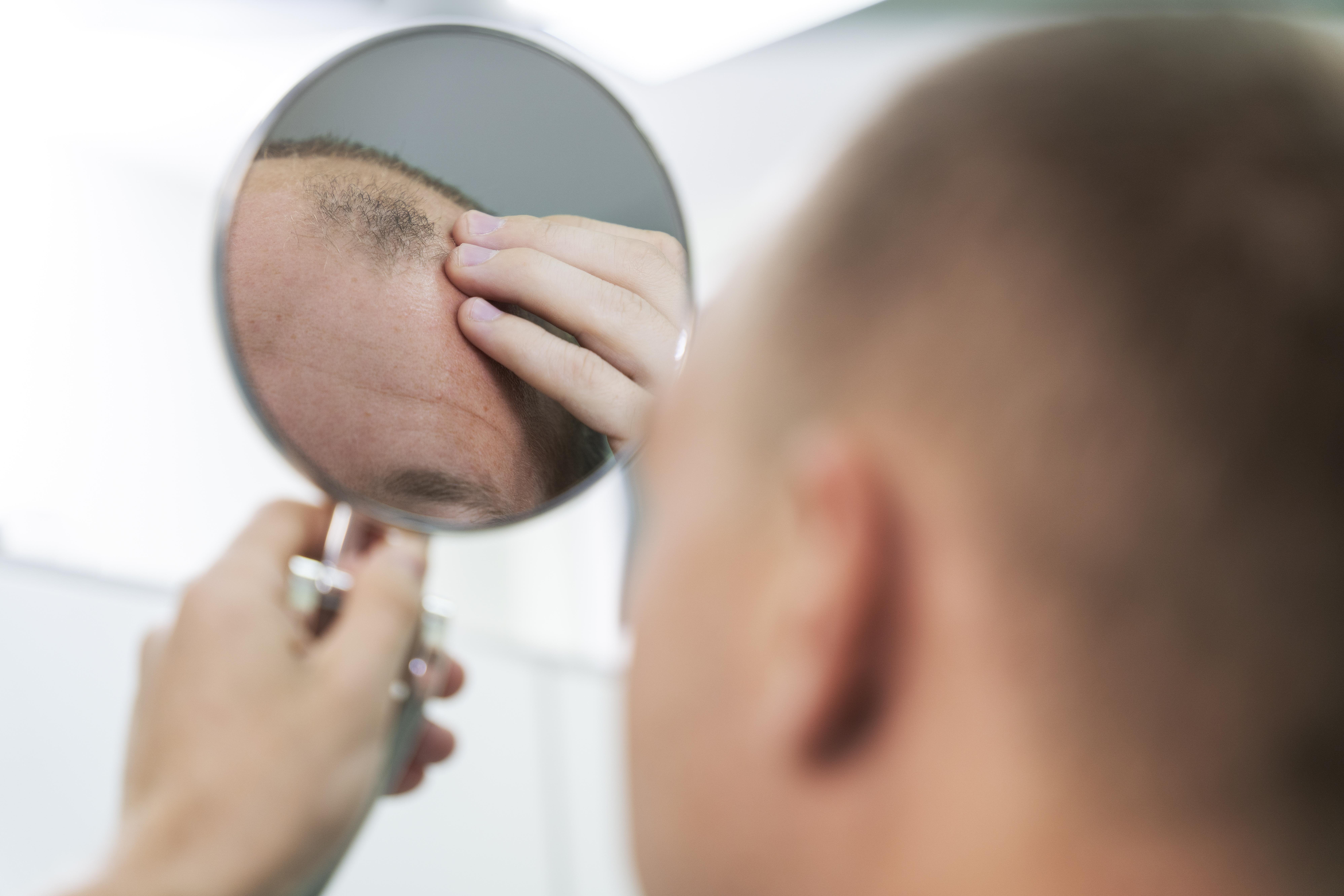
Androgenetic alopecia is the main cause of baldness worldwide. It is a chronic, progressive, and genetically determined condition that leads to miniaturization of hair follicles and a gradual reduction in hair density.
Unlike temporary episodes of hair shedding, androgenetic alopecia is associated with hormonal changes and genetic predisposition. The action of androgens progressively reduces the duration of the hair growth phase, making each strand thinner and shorter with every cycle.
Understanding androgenetic alopecia is important to seek the best baldness treatment early. The earlier the diagnosis is made, the greater the chances of preserving existing hair. Shall we learn more about the topic? Enjoy your reading.
What is androgenetic alopecia (baldness) and why does it happen
Androgenetic alopecia is a hair cycle disorder characterized by progressive follicle miniaturization. Hair does not “stop growing” all at once; it gradually becomes thinner until it is almost invisible.
The main mechanism involves the conversion of testosterone into DHT by the 5-alpha-reductase enzyme. In genetically susceptible individuals, DHT shortens the anagen (growth) phase and prolongs the telogen (shedding) phase, resulting in increasingly thin and fragile hair.
Having family members with androgenetic alopecia also significantly increases the risk in both men and women, highlighting the hereditary component of the condition.
Is androgenetic alopecia “hair loss” or “progressive thinning”?
Androgenetic alopecia does not initially appear as abrupt hair shedding. The main phenomenon is progressive thinning of the strands, which occurs over months or years. Often, a person notices less volume even before noticing hair on the pillow or in the shower.
In so-called acute excessive hair shedding, such as telogen effluvium, the number of strands that detach increases significantly; whereas in androgenetic alopecia, the issue lies in the quality and thickness of the hair that grows. With each cycle, it returns thinner.
This difference is very important for guiding baldness treatment. While temporary shedding may be reversible, androgenetic alopecia requires a continuous approach and specialized follow-up.

Main causes of baldness
The causes of hair loss in androgenetic alopecia involve genetic predisposition associated with increased sensitivity to DHT. This hormone acts directly on scalp follicles, especially in the frontal region and vertex in men, and at the crown in women.
According to the Mayo Clinic, the condition is not related to vitamin deficiency in most cases, but rather to the interaction between hormones and genetic inheritance. Factors such as age also influence progression.
Other elements may accelerate the perception of baldness, such as chronic stress or hormonal changes, but they are not considered the primary cause of androgenetic alopecia.
Alopecia in men vs. alopecia in women: what are the differences
Androgenetic alopecia presents distinct patterns depending on sex, although the hormonal mechanism is similar. Understanding these differences is necessary to define the best baldness treatment in an individualized way.
In men, hair loss usually follows a specific pattern, while in women the reduction is more diffuse. Dermatologic literature recognizes these differences and establishes specific scales to assess severity.
Understanding these variations also helps in differential diagnosis, especially when there is any doubt between androgenetic alopecia and other causes of hair loss.
Alopecia in men
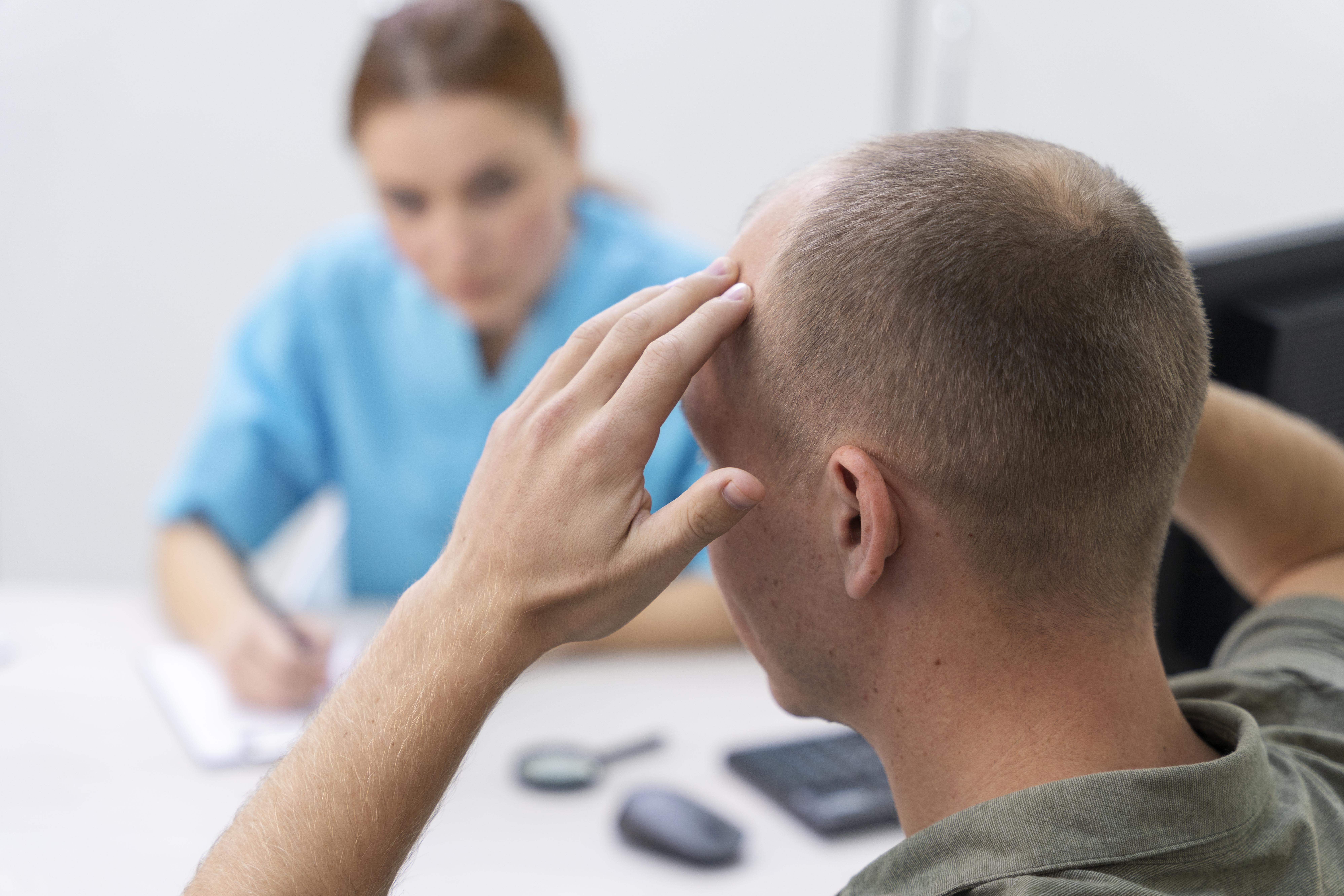
Alopecia in men generally begins with frontal hairline recession and the formation of so-called “temples.” Over time, thinning may also occur at the crown, progressing to larger bald areas.
The Hamilton-Norwood Scale is used to classify stages of male androgenetic alopecia, allowing objective evaluation of progression. Studies indicate that about half of men will present some degree of androgenetic alopecia throughout life.
Alopecia in women
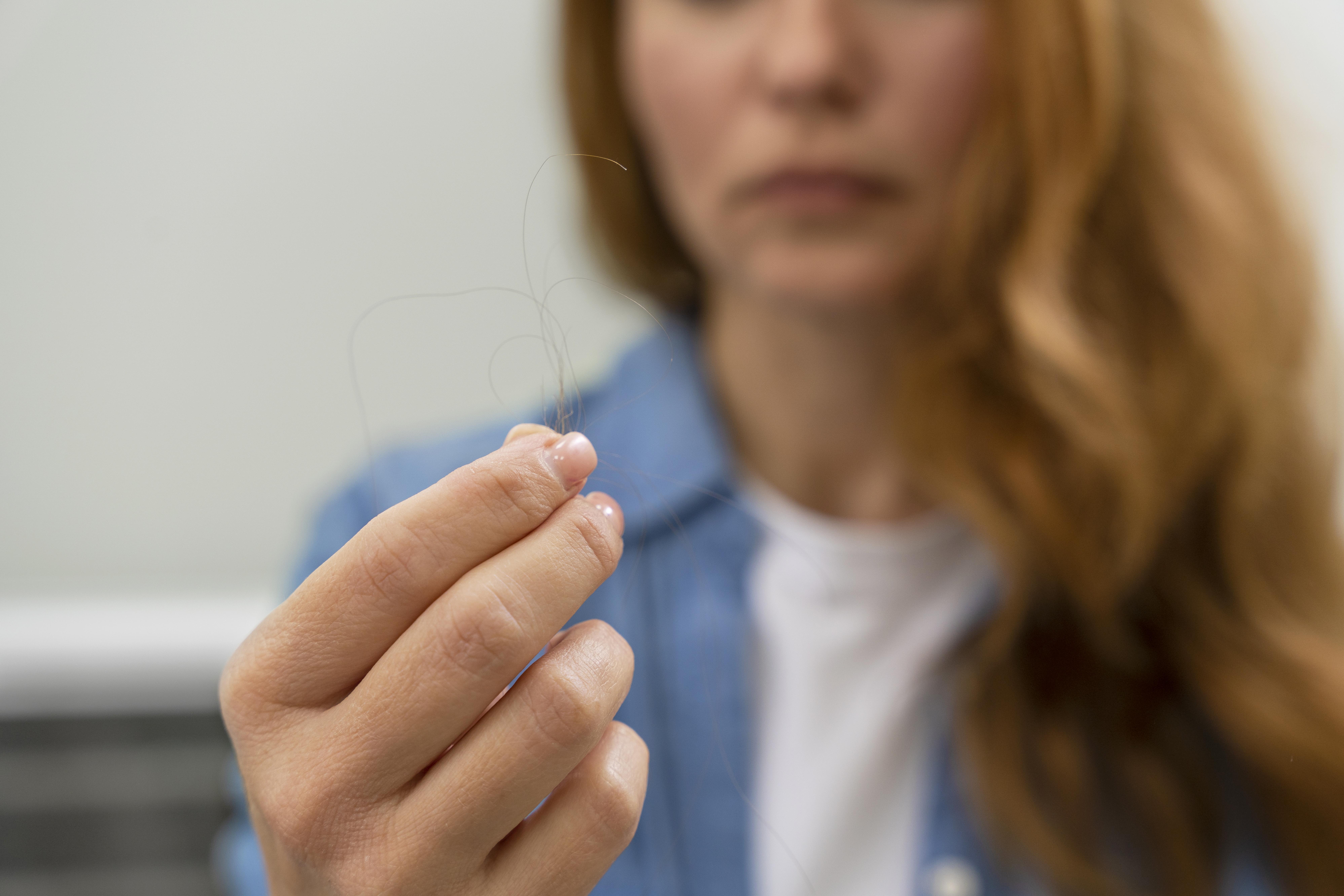
Alopecia in women presents a different pattern. Thinning occurs mainly at the top of the scalp, generally preserving the frontal hairline.
The Ludwig and Sinclair scales are used to classify the severity of female androgenetic alopecia, helping define baldness treatment.
Although less socially discussed, alopecia in women can cause significant, truly profound emotional impact and deserves early diagnostic attention.
➔ Take the next step in your hair loss treatment. Join Synvia’s clinical study!
Signs and symptoms: when to suspect baldness (and when it may be something else)
The first signs of androgenetic alopecia include reduced hair density, considerably increased scalp visibility, and progressively thinner strands.
Progression is slow, which means many people only notice the problem when loss is already established. Observing volume changes over the years is a relevant indicator.
Not every case of excessive hair shedding, however, is androgenetic alopecia, and an in-depth, thorough medical evaluation is needed to ensure the diagnosis is correct.
Common signs of androgenetic alopecia
Androgenetic alopecia manifests slowly and progressively, causing many people to take time to notice initial changes. Unlike inflammatory or infectious scalp conditions, it usually progresses silently, without pain, intense itching, or obvious redness.
The main mechanism behind these signs is follicle miniaturization — that is, strands begin to grow increasingly thinner, shorter, and less pigmented until hair density visibly decreases. The main clinical signs include:
Progressive thinning of strands, especially on the top of the head or at the temples
Gradual reduction in hair volume, noticed when combing or styling hair
Increased scalp visibility, especially under strong light
Widening of the central part (in women)
Recession of the frontal hairline (in men)
Shorter, more fragile strands in specific areas, indicating miniaturization
Recognizing these signs early is important, since androgenetic alopecia tends to progress over the years if not monitored.
The earlier the diagnosis is established, the greater the chances of preserving still-active strands and starting the best baldness treatment strategically.

“My hair is falling out a lot”: what else could it be?
Not every case of heavy hair shedding means androgenetic alopecia. When shedding is sudden, intense, and noticeable in the shower, on the brush, or on the pillow, it is important to consider other causes, especially telogen effluvium.
According to the Mayo Clinic, telogen effluvium is a temporary condition triggered by events such as intense physical or emotional stress, surgeries, infections, childbirth, or systemic diseases. In these cases, a greater number of strands enter the shedding phase prematurely.
Some signs suggesting telogen effluvium include:
Diffuse and marked shedding, generally noticed abruptly
Onset of shedding about 2 to 3 months after a stressful event
Strands that fall with a visible white root, indicating the telogen phase
Absence of completely bald areas, maintaining uniform density
Possible spontaneous improvement after a few months, when the trigger is resolved
Differentiating telogen effluvium from androgenetic alopecia is essential to avoid inappropriate treatments. While effluvium tends to be reversible and self-limited, androgenetic alopecia involves progressive miniaturization and requires specific follow-up.
Other causes of hair loss that can be confusing
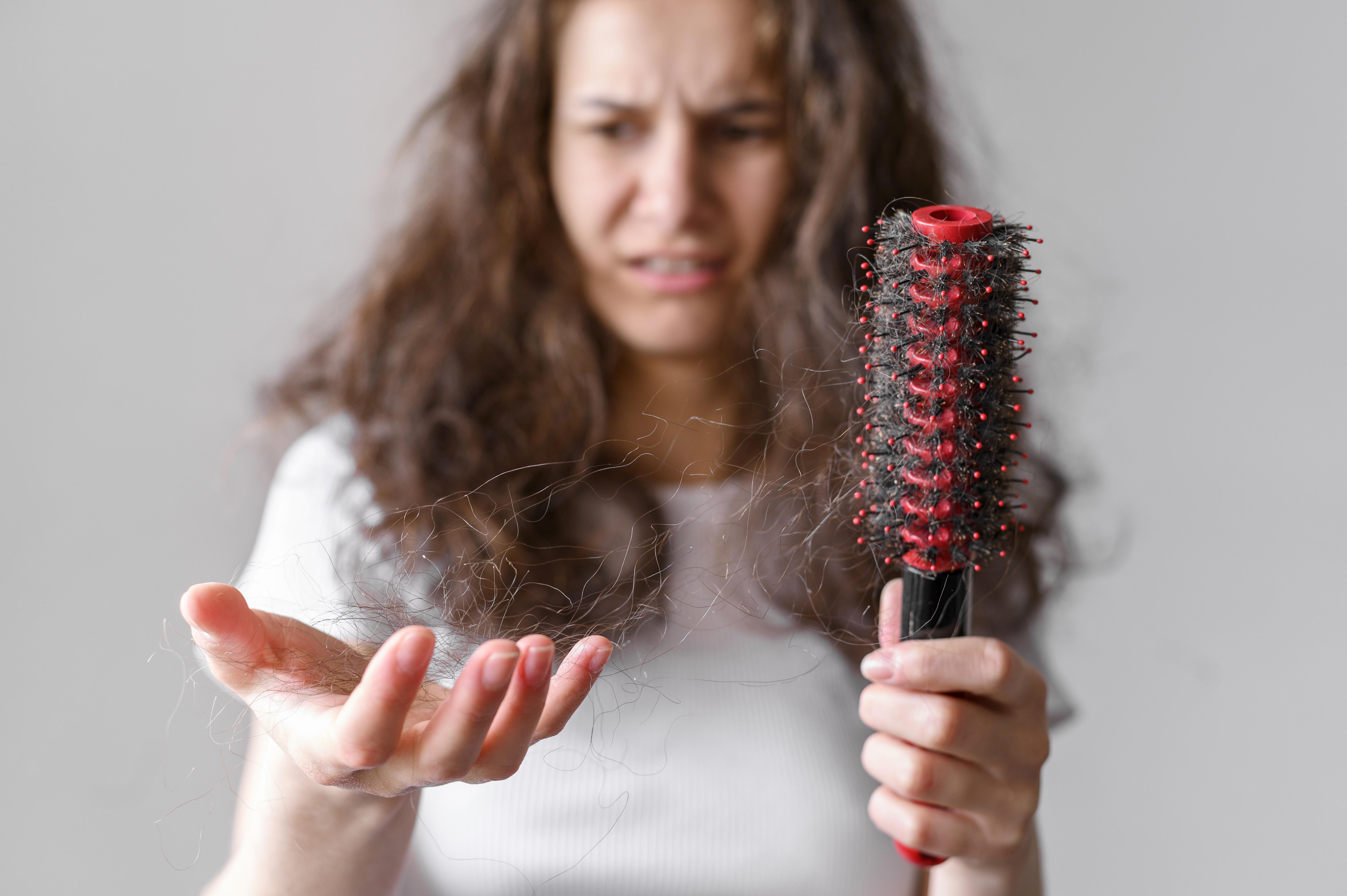
In addition to telogen effluvium, there are other conditions that may mimic or coexist with androgenetic alopecia. Other important causes include:
Alopecia areata: rapid-onset round hairless patches
Traction alopecia: associated with very tight hairstyles or frequent use of extensions
Scalp ringworm (tinea capitis): fungal infection that can cause scaly areas and localized loss
Hormonal changes or thyroid disorders, which may cause diffuse shedding
Specific nutritional deficiencies, when confirmed by tests
Specialized evaluation makes it possible to distinguish androgenetic alopecia from other causes of hair loss and indicate the most appropriate baldness treatment for each situation.
➔ Do you already have a diagnosis of androgenetic alopecia? Synvia has clinical studies focused on male and female baldness. Tap here and find out how to participate.
Diagnosis: how does the doctor confirm alopecia in men and alopecia in women?
Diagnosis of androgenetic alopecia is, in most cases, clinical and based on careful analysis of the hair loss pattern. Unlike inflammatory or infectious diseases, male and female pattern baldness presents characteristic distribution and progressive evolution.
The doctor observes the thinning pattern, strand thickness, and evolution time reported by the patient, in addition to considering family history — a factor strongly associated with the condition. Elements assessed during consultation include:
Family history of baldness, on both maternal and paternal sides;
Time of onset and speed of progression of loss;
Thinning pattern (temples and vertex in men; diffuse crown in women);
Presence or absence of inflammation, scaling, or scarring;
Hair thickness and visible signs of miniaturization on clinical examination.
This assessment makes it possible to differentiate androgenetic alopecia from other causes of hair loss, such as telogen effluvium, alopecia areata, or scalp diseases.
Early diagnosis is decisive because it expands baldness treatment possibilities and increases the chances of preserving still-active follicles.
What is evaluated in the consultation
During the consultation, the doctor:
1 - Performs a complete inspection
The doctor performs a detailed scalp inspection and may use dermoscopy or trichoscopy to enhance visualization of the strands.
This technique allows identification of variations in hair diameter — one of the main signs of the miniaturization characteristic of androgenetic alopecia.
2 - Investigates symptoms
Next, the doctor investigates associated symptoms, such as persistent itching, pain, or burning, which could indicate other dermatological conditions.
The absence of significant inflammation reinforces the diagnosis of androgenetic baldness.
3 - Studies and expectations
In addition, the specialist also evaluates emotional impact and patient expectations, since the therapeutic plan must be individualized and fully aligned with clinical reality.
Tests that may be requested
Although diagnosis is predominantly clinical, laboratory tests may be requested when there is suspicion of other causes associated with excessive hair shedding. Assessments of iron, ferritin, thyroid hormones, and in some cases hormonal profile may be useful.
Trichoscopy, a non-invasive in-office exam, helps identify follicular miniaturization and differentiate androgenetic alopecia from telogen effluvium. In specific situations, scalp biopsy may be considered.
These complementary resources help establish a completely reliable diagnosis and define the best hair loss treatment, avoiding inappropriate approaches.
Severity scales
To classify the progression of androgenetic alopecia, professionals use some internationally recognized standardized scales. They are:
Hamilton-Norwood Scale (men): evaluates stages of frontal recession and vertex loss.
Ludwig Scale (women): classifies degrees of thinning at the crown.
Sinclair Scale (women): evaluates progression of diffuse thinning of hair strands.
These scales guide therapeutic conduct and make it possible to monitor evolution over time. By understanding the stage of androgenetic alopecia, the doctor can indicate the most appropriate baldness treatment and assess response to interventions.

Emotional impact: how to deal with baldness without isolating yourself
Androgenetic alopecia is a condition that goes far beyond the aesthetic dimension. For many people, progressive hair loss directly interferes with self-esteem, self-perception, and even the way they relate socially.
Research shows that visible dermatological conditions, including hair loss, may be directly associated with psychological distress, social anxiety, and reduced quality of life.
Now learn some signs that androgenetic alopecia is impacting you emotionally:
Avoids social situations or photographs due to insecurity about appearance
Constantly compares yourself with previous aesthetic standards
Feels a drop in self-confidence in professional or emotional environments
Worries excessively about visible scalp or hair thinning
Has a persistent feeling of identity loss or premature aging
Recognizing this impact is the first step to facing it. Proper information, correct diagnosis, and access to the best baldness treatment reduce the feeling of lack of control over the condition.
Talking openly with healthcare professionals and, when necessary, seeking psychological support can also help manage androgenetic alopecia in a healthier way and without isolation.
Emotional impact of baldness in men

In alopecia in men, hair is often associated with youth, strength, and masculine identity. Gradual loss may be perceived as an early sign of aging, triggering insecurity and concern about personal image.
This impact tends to be silent, as many men avoid openly talking about their own emotional vulnerability. Among common emotional reactions in alopecia in men, we can mention:
Fear of looking older than they really are
Insecurity in romantic relationships or social life
Reduced self-confidence in the professional environment
Frequent attempts to hide areas with less hair
Frustration with the progression of baldness
Appropriate hair loss treatment can contribute not only to preserving strands but also to restoring a sense of control.
By understanding that androgenetic alopecia is a common and treatable medical condition, many men report significant improvement in self-esteem and quality of life.
➔ Your journey against baldness can gain a new chapter. Tap here to register for Synvia’s clinical study for free.
Emotional impact of baldness in women
In alopecia in women, the emotional impact is often even deeper, since hair is culturally associated with femininity and personal identity.
Progressive thinning can generate embarrassment, fear of judgment, and changes in how women present themselves socially.
Frequent emotional reactions in alopecia in women:
Constant hairstyle changes to disguise thinning areas
Avoids environments with intense lighting
Avoids direct scalp exposure
Drop in self-esteem and perception of attractiveness
Anxiety at social or professional events
Ongoing concern about progression of female baldness
Knowing that there are therapeutic alternatives and ongoing clinical studies helps transform feelings of helplessness into concrete action, strengthening self-esteem and promoting greater emotional security.

What is the best treatment to deal with baldness?
The best baldness treatment depends directly on the stage of androgenetic alopecia, the pattern of hair loss, and the individual characteristics of each patient.
International medical guidelines indicate that the most established options include topical minoxidil and oral finasteride for men, in addition to specific therapies evaluated case by case.
However, response to treatment may vary according to the extent of follicular miniaturization and the duration of the condition. Among the main therapeutic approaches, we can mention:
Topical minoxidil, which stimulates the hair growth (anagen) phase
Oral finasteride (in men), which reduces conversion of testosterone into DHT
Adjuvant therapies, such as microneedling and low-level laser therapy
Behavioral changes, including stress control and proper hair care
Clinical research investigating new therapeutic strategies for androgenetic alopecia
Choosing the best hair loss treatment should always be individualized and guided by a specialized physician.
➔ In cases of men and women diagnosed with alopecia, it is possible to count on these guidelines and personalized follow-ups from specialist doctors, in addition to complete and advanced infrastructure at no cost. See how it works here.
What is a clinical study for androgenetic alopecia?
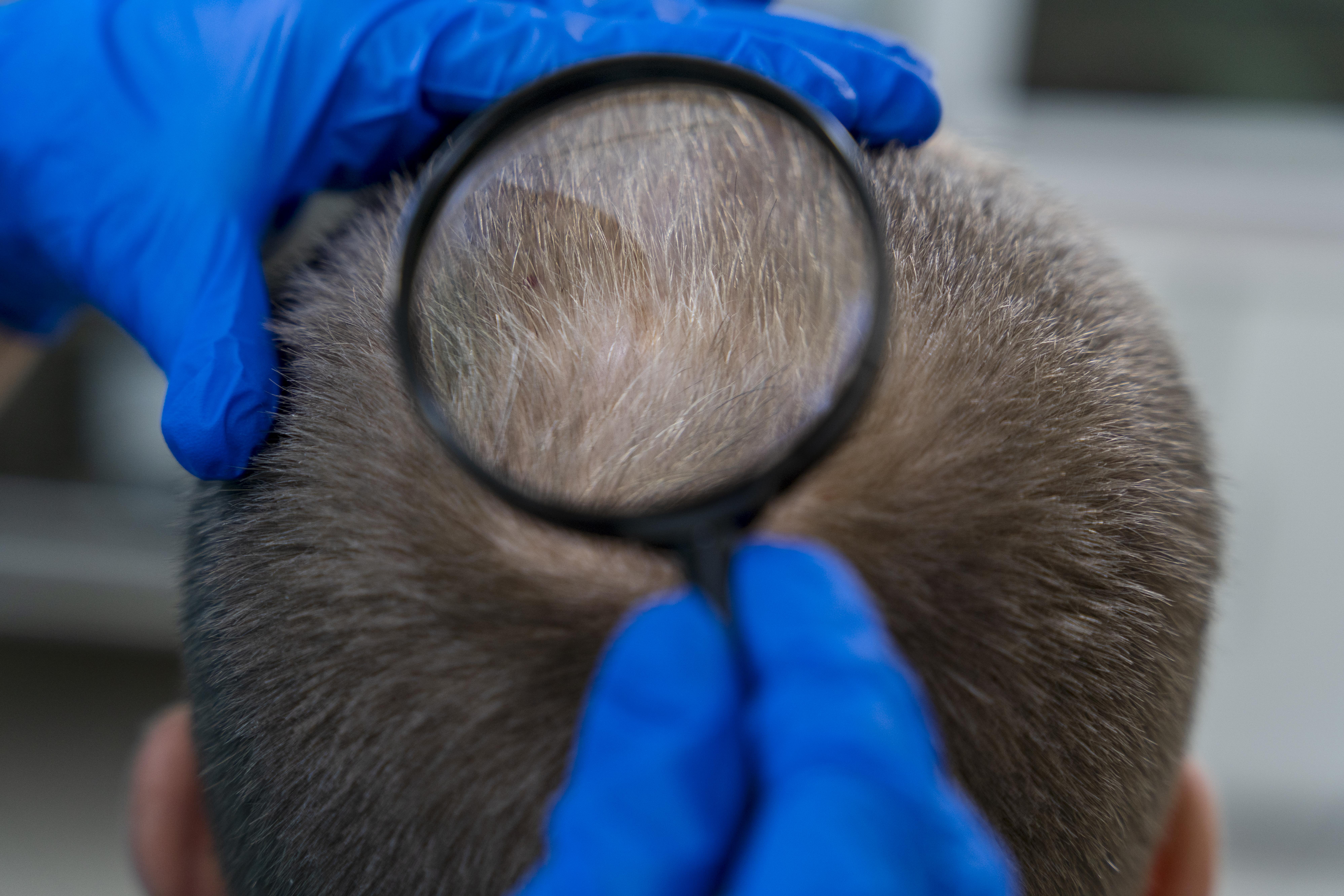
A clinical study for androgenetic alopecia is a regulated investigation that evaluates the safety and effectiveness of new therapies before they become widely available on the market.
These studies follow international good clinical practice standards and are supervised by ethics committees and regulatory authorities.
Characteristics of a clinical study include:
Structured scientific protocol, with inclusion and exclusion criteria
Periodic medical follow-up, with standardized hair assessment
Safety monitoring, with recording of adverse events
Informed consent, ensuring participant autonomy
Ethical and regulatory oversight, according to national and international standards
Participating in a clinical study means having access to rigorous follow-up and contributing to the advancement of scientific knowledge. In the field of baldness treatment, this may represent an opportunity to access innovative therapies still under evaluation.
Hair loss treatment in clinical research: why can participating help?
Clinical research increases treatment possibilities for androgenetic alopecia by investigating new molecules, therapeutic combinations, and technological approaches.
For participants, this may mean access to specialized follow-up and detailed hair evaluations that are often not part of conventional routine care.
Other benefits of participating in clinical studies for baldness include:
Specialized and periodic dermatological evaluation
Complete hair exams and documentation of progression
Access to innovative therapies under investigation
Structured safety and efficacy monitoring
Direct contribution to scientific advancement in hair loss treatment
Participating in clinical research strengthens the development of future therapeutic alternatives. For many patients with androgenetic alopecia, this can be a strategic opportunity to expand care options.
➔ Your participation can contribute to advancing baldness treatment. Tap here.
Who can participate in clinical studies for baldness?
Eligibility for androgenetic alopecia clinical studies depends on criteria previously established in the research protocol.
These criteria ensure safety, methodological standardization, and scientific validity of the results.
Frequently eligible profiles include:
Men between 18 and 60 years old with confirmed androgenetic alopecia
Women between 18 and 50 years old with female pattern grades 2 to 4
Patients without active dermatological scalp diseases
Individuals who meet the clinical criteria defined in the protocol
Availability for periodic follow-up during the study
If approved, the participant joins a structured follow-up program within a clinical study focused on baldness treatment, with specialized supervision and continuous monitoring.
How to participate in Synvia’s clinical study for baldness?
If you have been diagnosed with androgenetic alopecia and are seeking safe, structured alternatives for baldness treatment, participating in a Synvia clinical study may be an excellent opportunity.
Enrollment starts through a simple registration, followed by careful screening carried out by a specialized team. This step evaluates criteria such as age, hair loss pattern, treatment history, and associated conditions — always with complete confidentiality and respect for ethical standards.
If you are eligible, you will receive specialized medical follow-up, periodic hair evaluations, complete exams, and continuous safety monitoring.
All studies are conducted according to Good Clinical Practices, with approval by Ethics Committees and regulatory authorities. In addition, there is no cost to the participant: consultations, tests, and the medication under evaluation are part of the research protocol.
Participating means contributing to scientific advancement while accessing a reference clinical and analytical structure in Latin America.
If you want to better understand your possibilities for hair loss treatment and evaluate whether you can join an androgenetic alopecia study, tap the button below and speak with the Synvia team.
_____________________________________________________________________________
REFERENCES
AMERICAN ACADEMY OF DERMATOLOGY ASSOCIATION (AAD). Hair loss: Who gets and causes. Available at: https://www.aad.org/public/diseases/hair-loss/causes/18-causes.
AMERICAN ACADEMY OF DERMATOLOGY ASSOCIATION (AAD). Androgenetic alopecia: Diagnosis and treatment. Available at: https://www.aad.org/public/diseases/hair-loss/types/androgenetic-alopecia.
MAYO CLINIC. Female pattern hair loss. Available at: https://www.mayoclinic.org/diseases-conditions/female-pattern-hair-loss/symptoms-causes.
MAYO CLINIC. Hair loss. Available at: https://www.mayoclinic.org/diseases-conditions/hair-loss/symptoms-causes.
MERCK & CO., INC. MSD Manuals – Androgenetic Alopecia. Available at: https://www.msdmanuals.com/professional/dermatologic-disorders/hair-disorders/androgenetic-alopecia.
NATIONAL INSTITUTES OF HEALTH (NIH). The psychosocial impact of hair loss. Available at: https://www.ncbi.nlm.nih.gov/pmc/articles/PMC4387693/.
NATIONAL CENTER FOR BIOTECHNOLOGY INFORMATION (NCBI). Androgenetic Alopecia – Pathophysiology and treatment review. Available at: https://www.ncbi.nlm.nih.gov/books/NBK430924/.